
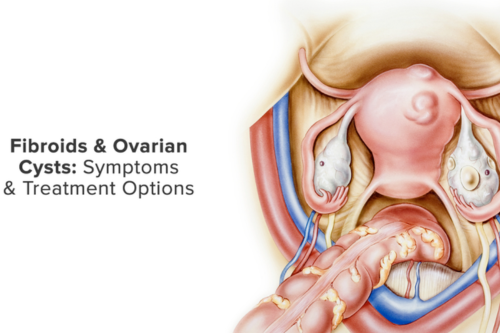
Understanding Uterine Fibroids
Uterine fibroids are non-cancerous growths that develop in or around the uterus. They are very common among women of reproductive age. Although fibroids are not usually dangerous, they may lead to several uncomfortable symptoms that affect daily life.
Fibroids vary in size, number, and location. Some women may have small fibroids that cause no symptoms, while others may experience large fibroids that create pressure and discomfort.
Common Types of Fibroids
Fibroids can develop in different areas of the uterus:
1. Intramural Fibroids
These fibroids grow within the muscular wall of the uterus and are the most common type.
2. Submucosal Fibroids
These grow inside the uterine cavity and may cause heavy menstrual bleeding and fertility problems.
3. Subserosal Fibroids
These fibroids grow on the outer wall of the uterus and may press against nearby organs.
4. Pedunculated Fibroids
These fibroids grow on a stalk attached to the uterus.
Each type may require a different treatment approach depending on symptoms and severity.
Understanding Ovarian Cysts
Ovarian cysts are fluid-filled sacs that form on or inside the ovaries. Many women develop cysts at some point in their lives. In most cases, ovarian cysts are harmless and disappear on their own. However, some cysts may grow larger, cause symptoms, or require medical treatment.
Types of Ovarian Cysts
There are several types of ovarian cysts, including:
Functional Cysts
These are the most common and usually form during the menstrual cycle.
Dermoid Cysts
These contain different types of tissues such as hair, skin, or fat.
Endometriomas
These cysts develop due to endometriosis.
Cystadenomas
These cysts develop on the ovarian surface and may grow quite large.
Proper diagnosis helps determine whether the cyst needs monitoring or surgical removal.
Symptoms of Fibroids and Ovarian Cysts
Many women with fibroids or cysts may not notice symptoms initially. However, as the growth increases, symptoms may appear.
Common Fibroid Symptoms
Heavy or prolonged menstrual bleeding
Pelvic pain or pressure
Frequent urination
Lower back pain
Pain during intercourse
Abdominal swelling
Difficulty in conceiving
Common Ovarian Cyst Symptoms
Pelvic pain
Irregular periods
Bloating or abdominal fullness
Pain during sexual intercourse
Pain during bowel movements
Sudden sharp pelvic pain (in case of cyst rupture)
If you experience these symptoms, early medical consultation helps prevent complications.
Causes and Risk Factors
While the exact cause of fibroids and cysts is not always known, several factors increase the risk of developing them.
Fibroid Risk Factors
Hormonal imbalance (estrogen and progesterone)
Family history of fibroids
Early onset of menstruation
Obesity
Vitamin D deficiency
High red meat consumption
Ovarian Cyst Risk Factors
Hormonal problems
Pregnancy
Endometriosis
Pelvic infections
Previous ovarian cysts
Understanding these factors helps doctors plan appropriate treatment.
Diagnosis of Fibroids and Cysts
Early diagnosis is essential for proper management and treatment. Dr. Meenakshi Charaya Khobragade performs a detailed evaluation using advanced diagnostic methods.
Diagnostic Procedures
Pelvic Examination
The doctor checks the uterus and ovaries for abnormalities.
Ultrasound Scan
This imaging test clearly shows fibroids and ovarian cysts.
MRI Scan
In some cases, MRI helps evaluate the size and location of fibroids.
Blood Tests
These help identify hormonal issues or other underlying conditions.
Laparoscopy
A minimally invasive procedure used to examine reproductive organs.
Accurate diagnosis ensures the most suitable treatment plan for each patient.