
Understanding PCOS (Polycystic Ovary Syndrome)
Symptoms of PCOS
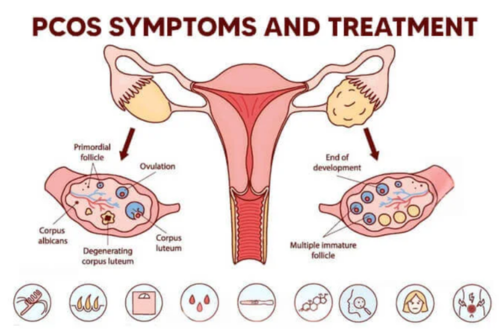
Women with PCOS may experience a wide range of symptoms. Some women may notice only mild symptoms, while others may face more noticeable hormonal changes.
Common symptoms include:
Irregular or missed menstrual periods
Excessive facial or body hair growth
Acne or oily skin
Weight gain or difficulty losing weight
Hair thinning or hair loss
Dark patches on the skin (acanthosis nigricans)
Difficulty getting pregnant
Mood changes and fatigue
It is important to note that symptoms may vary from person to person. Therefore, professional evaluation is essential for accurate diagnosis.
Causes of PCOS
Although the exact cause of PCOS is not fully understood, several factors contribute to the development of this condition.
Hormonal Imbalance
In PCOS, the body produces excessive androgens (male hormones), which disrupt normal ovulation and menstrual cycles.
Insulin Resistance
Many women with PCOS have insulin resistance, meaning their body does not use insulin effectively. This leads to increased insulin levels, which can stimulate the ovaries to produce more androgens.
Genetics
PCOS often runs in families. Women with a family history of PCOS may have a higher risk of developing the condition.
Inflammation
Low-grade inflammation in the body may stimulate the ovaries to produce more androgens, contributing to hormonal imbalance.
Understanding these underlying causes allows doctors to develop effective treatment strategies.
Hormonal Disorders in Women
Apart from PCOS, many women experience other hormonal imbalances that affect their reproductive and overall health.
Some common hormonal disorders include:
Thyroid disorders
Irregular menstrual cycles
Premenstrual syndrome (PMS)
Menopause-related hormonal changes
Fertility issues
Hormonal acne
Excess hair growth (hirsutism)
Hormonal disorders can influence physical, emotional, and metabolic health. Therefore, timely diagnosis and medical guidance are essential.
Diagnosis of PCOS and Hormonal Disorders
Accurate diagnosis plays an important role in managing hormonal disorders effectively.
Dr. Meenakshi Charaya Khobragade uses a comprehensive evaluation process that may include:
Medical History Review
The doctor carefully reviews menstrual history, symptoms, family history, and lifestyle factors.
Physical Examination
A physical examination helps assess signs of hormonal imbalance such as acne, excess hair growth, or weight changes.
Blood Tests
Blood tests help measure hormone levels, including:
Androgen levels
Thyroid hormones
Insulin levels
Blood sugar levels
Reproductive hormones
Ultrasound Scan
Pelvic ultrasound helps evaluate the ovaries and detect the presence of multiple ovarian cysts.
Through detailed evaluation and accurate testing, the doctor can determine the exact cause of hormonal imbalance and recommend the most suitable treatment.
PCOS Treatment Options
Although PCOS cannot be permanently cured, proper treatment can effectively control symptoms and prevent complications.
Dr. Meenakshi Charaya Khobragade offers personalized treatment plans based on each patient’s symptoms, health goals, and lifestyle.
Lifestyle Modifications
Lifestyle changes are often the first step in managing PCOS.
These include:
Healthy balanced diet
Regular physical activity
Weight management
Stress reduction techniques
Adequate sleep
Even small lifestyle improvements can significantly improve hormone balance and menstrual regularity.
Medications
Medications may be prescribed to regulate hormones and manage symptoms.
These may include:
Hormonal contraceptives to regulate menstrual cycles
Insulin-sensitizing medications
Fertility medications for ovulation support
Anti-androgen medications to reduce excessive hair growth
The doctor carefully selects medications based on the patient’s medical condition and reproductive plans.
Fertility Treatment
Many women with PCOS successfully conceive with proper treatment.
Fertility treatments may include:
Ovulation induction medications
Lifestyle therapy
Assisted reproductive techniques if necessary
With the right medical guidance, many women with PCOS achieve successful pregnancies.