
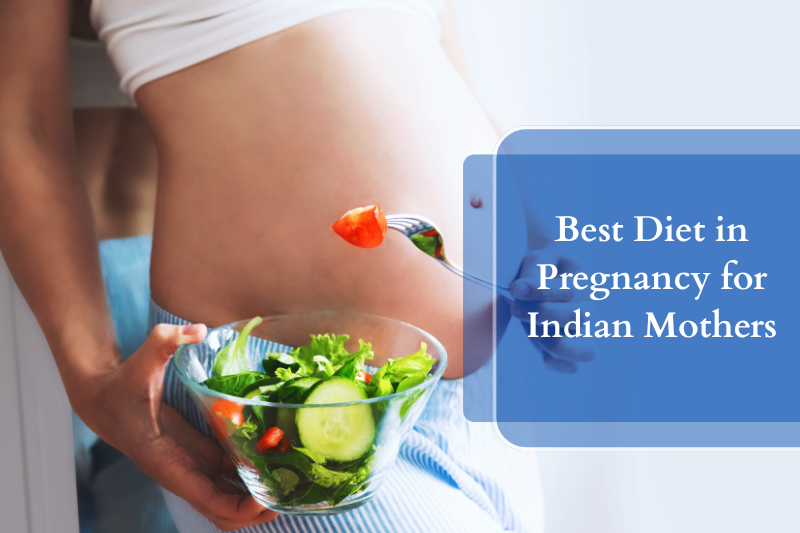
Pregnancy is a special time in a woman’s life. During these months, proper nutrition is one of the most important things for both the mother and the growing baby. A healthy pregnancy diet does not mean eating for two. It means eating the right foods in the right amount at the right time.
For Indian mothers, the good news is that a healthy pregnancy diet can be built from simple home-cooked meals. You do not need expensive supplements or fancy foods if your diet is balanced and your doctor has guided you properly.
Why diet matters in pregnancy
A good diet during pregnancy helps in:
– healthy growth of the baby
– better energy for the mother
– lower risk of weakness and anemia
– healthy weight gain
– better immunity
– improved bone and brain development of the baby
– reduced risk of constipation and acidity
What should a healthy pregnancy plate include?
A balanced Indian pregnancy diet should usually include:
1. Protein
Protein helps in baby’s growth and body tissue development.
Good sources:
- dal
- paneer
- milk and curd
- sprouts
- eggs
- chicken
- fish
- chana
- soy products
2. Iron
Iron helps prevent anemia and supports blood formation.
Good sources:
- green leafy vegetables
- jaggery in moderation
- dates
- black chana
- rajma
- beetroot
- pomegranate
- iron supplements prescribed by doctor
3. Calcium
Calcium is important for baby’s bones and teeth.
Good sources:
- milk
- curd
- paneer
- ragi
- sesame seeds
- calcium supplements if advised
4. Folic acid
Folic acid is especially important in early pregnancy for baby’s brain and spinal development.
Sources:
- green vegetables
- citrus fruits
- lentils
- folic acid tablets as prescribed
5. Healthy carbohydrates
Carbohydrates provide energy.
Good sources:
- roti
- rice
- poha
- daliya
- oats
- idli
- upma
6. Fruits and vegetables
These provide vitamins, minerals, and fiber.
Try to include:
- banana
- apple
- orange
- guava
- papaya only if fully ripe and allowed by your doctor
- carrots
- cucumber
- spinach
- bottle gourd
- pumpkin
- beans
Sample simple Indian pregnancy diet
This is only a general example. It can be changed depending on weight, sugar levels, vomiting, thyroid, or doctor advice.
Early morning
- warm water
- soaked almonds or walnuts
- a fruit if tolerated
Breakfast
- poha / upma / idli / paratha with curd
- milk or buttermilk
- boiled egg if non-vegetarian
Mid-morning
- fruit
- coconut water if suitable
- sprouts or roasted chana
Lunch
- roti or rice
- dal
- sabzi
- curd
- salad
- paneer / egg / chicken / fish if preferred
Evening
- fruit
- milk
- roasted makhana or nuts
Dinner
- roti
- dal or light sabzi
- paneer / egg / chicken
- soup if preferred
Bedtime
- a glass of milk if comfortable
How much water should a pregnant woman drink?
Most women should drink enough water through the day unless a doctor has advised restriction for a medical reason. Proper hydration helps reduce constipation, weakness, and urinary problems.
Common problems and diet tips
Vomiting in pregnancy
- eat small, frequent meals
- avoid long gaps
- dry snacks in the morning may help
- avoid very oily food
Constipation
- drink more water
- include fruits and fiber
- add salads and whole grains
Acidity
- avoid overeating
- avoid very spicy, fried, and oily meals
- do not lie down immediately after eating
Anemia
- iron-rich foods plus iron tablets as advised
- vitamin C foods can help iron absorption
Foods usually best taken in moderation
- very oily and fried foods
- packaged junk foods
- excess sweets
- sugary drinks
- excessive tea or coffee
Common myths
“Pregnancy means eating double.”
Not true. Quality matters more than quantity.
“Ghee in large amount guarantees normal delivery.”
Not true. Normal delivery depends on many medical factors, not just ghee intake.
“Only expensive foods help baby growth.”
Not true. Simple home-cooked balanced Indian meals are often enough.
When to consult a gynaecologist about diet
Please consult your doctor if you have:
– persistent vomiting
– very poor appetite
– significant weight loss
– diabetes
– high blood pressure
– low hemoglobin
– thyroid disorder
– twin pregnancy
– swelling or reduced urine
– any high-risk pregnancy condition
Final message
A healthy pregnancy diet should be practical, balanced, and suited to your body and medical condition. Every woman is different, and diet should be individualized when needed. With the right guidance, simple home-cooked Indian food can support a healthy mother and a healthy baby.
Dr. Meenakshi Charaya provides complete pregnancy care with personalized guidance on diet, supplements, and safe mother-baby health at every stage of pregnancy.