Pregnancy is a time when diet becomes especially important. Many women focus on what to eat, but it is equally important to know what foods should be limited or avoided. The goal is not to create fear, but to make safe and practical choices for the health of the mother and baby.
Why some foods should be avoided in pregnancy
Certain foods may:
– increase risk of infection
– worsen acidity or vomiting
– cause unhealthy weight gain
– lead to poor sugar control
– provide very little nutrition
Foods best avoided or limited during pregnancy
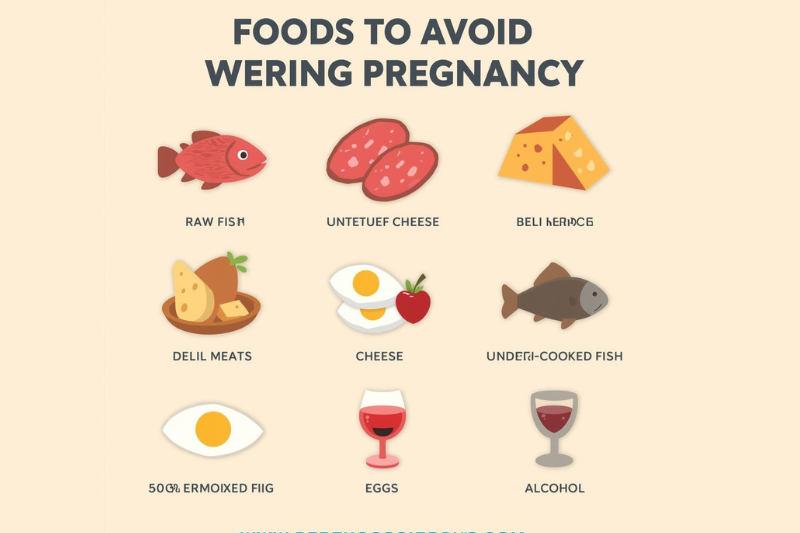
1. Raw or undercooked meat, fish, or eggs
These may carry infection-causing organisms.
Avoid:
- undercooked eggs
- half-cooked meat
- raw seafood
2. Unhygienic street food
Street food is not always unsafe, but poorly prepared or unhygienic food can cause stomach infection, vomiting, diarrhea, and dehydration.
3. Unpasteurized or unsafe dairy products
Use clean and reliable milk products. Avoid anything doubtful in quality or storage.
4. Excessively oily and fried foods
These can worsen:
– acidity
– bloating
– weight gain
– indigestion
Examples:
- deep-fried snacks
- heavy fast food
- repeated oil use foods
5. Packaged junk food
Chips, packaged sweets, and highly processed foods often give calories without much nutrition.
6. Too many sweets and sugary drinks
These can contribute to:
– excess weight gain
– poor sugar control
– higher risk in women prone to gestational diabetes
7. Too much tea or coffee
Excess caffeine should be avoided. A doctor can guide what is safe for each patient, but too much caffeine is generally not advised.
8. Leftover food stored poorly
Improperly stored food may cause food poisoning. Fresh home-cooked food is usually best.
9. Herbal or unknown supplements without medical advice
Many women are advised random powders, herbs, or homemade remedies. These may not always be safe in pregnancy.
10. Excess salt in women with swelling or blood pressure issues
Too much salty processed food may worsen fluid retention or blood pressure concerns in some patients.
Common foods that patients ask about
Papaya
Fully ripe papaya is often tolerated in many situations, but advice may vary. If in doubt, ask your doctor.
Pineapple
Small amounts are not always harmful, but patients often worry unnecessarily. It is best to discuss individual diet concerns with your doctor.
Spicy food
It does not usually harm the baby directly, but may worsen acidity, gas, or discomfort in some women.
Pickles
Can be taken in small quantity, but avoid excess, especially if blood pressure or swelling is a concern.
Bakery and packaged items
Occasional intake may be acceptable, but these should not replace healthy meals.
What is safer instead?
Choose:
– fresh home-cooked meals
– properly washed fruits and vegetables
– balanced meals with protein
– clean dairy products
– adequate water
– regular small meals
Common mistakes in pregnancy diet
- eating too much junk because of cravings
- skipping meals due to nausea
- depending only on fruits and not enough protein
- taking non-prescribed supplements
- following myths instead of medical advice
When to seek doctor advice about diet
Consult your gynaecologist if you have:
– diabetes
– severe vomiting
– anemia
– high blood pressure
– low weight gain
– thyroid disorder
– twin pregnancy
– food intolerance or major dietary restriction
Final message
Most women do not need a complicated diet in pregnancy. What matters most is fresh, balanced, hygienic food and avoiding things that may increase risk or reduce nutrition. Safe eating habits help protect both mother and baby.
Dr. Meenakshi Charaya provides individualized pregnancy guidance, including practical advice on safe foods, supplements, and daily diet for healthy motherhood.