
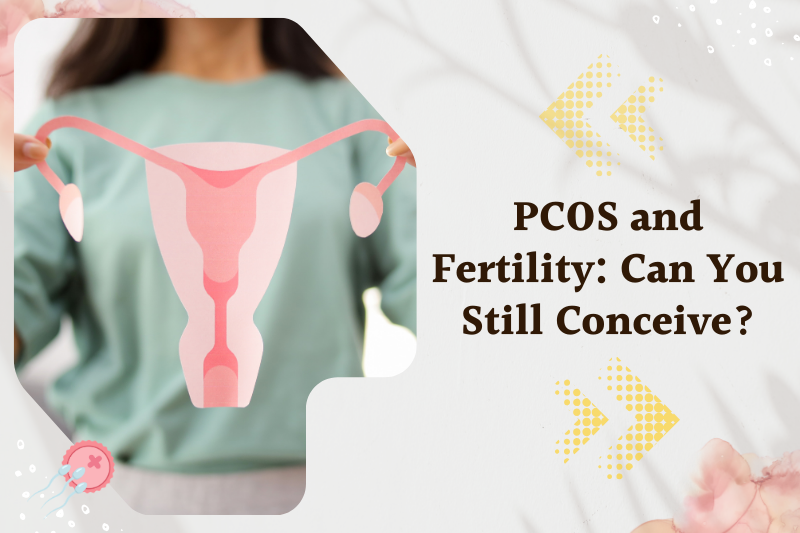
Yes, many women with PCOS do conceive.
PCOS is one of the most common causes of female infertility because it often affects ovulation. Women with PCOS may ovulate irregularly or not at all, which makes conception less predictable. Common symptoms include irregular periods, acne, excess hair growth, weight gain, and difficulty getting pregnant.
What is PCOS?
PCOS, or polycystic ovary syndrome, is a hormonal condition that can affect:
- periods
- ovulation
- skin
- hair growth
- metabolism
- fertility
Why does PCOS affect fertility?
The main reason is irregular ovulation. If eggs are not released regularly, pregnancy is less likely month to month.
Symptoms that may suggest PCOS
- irregular or absent periods
- acne
- unwanted facial or body hair
- weight gain
- thinning hair in some women
- trouble conceiving
Can women with PCOS conceive naturally?
Yes. Some women conceive naturally, especially with lifestyle improvement and weight optimization where needed. Others may need ovulation treatment or fertility support.
How is fertility treated in PCOS?
Depending on the case, treatment may include:
- cycle assessment
- lifestyle and weight support
- ovulation medicines
- ultrasound monitoring in selected patients
- IUI in some couples
- IVF when appropriate later
Important point
PCOS is not diagnosed by ultrasound alone. In adolescents and young girls, diagnosis needs extra care because irregular cycles can overlap with normal puberty.
When to see a doctor
Seek help if periods are irregular, acne and excess hair are increasing, weight is rising, or pregnancy is not happening.
Final word
PCOS can delay conception, but it does not end the possibility of motherhood. The right plan can make a major difference.
Dr. Meenakshi Charaya helps women with PCOS understand their cycles, improve ovulation chances, and choose a practical fertility pathway.