
Cervical Cancer Screening Advice – Cervical cancer remains one of the most preventable cancers when detected early. Therefore, regular cervical cancer screening plays a crucial role in protecting women’s health. In fact, timely screening not only detects abnormal changes in cervical cells but also helps prevent cancer before it develops.
Moreover, many women ignore early screening due to lack of awareness or fear. However, with the right guidance and proper medical support, screening becomes simple, quick, and life-saving. In this comprehensive guide, you will understand cervical cancer screening, its importance, methods, frequency, preparation, and expert advice.
Furthermore, early detection not only saves lives but also reduces complications and treatment costs. Hence, do not delay your screening appointment. cervical cancer screening remains one of the most effective ways to prevent cancer and protect women’s health. Therefore, every woman should prioritize regular screening, follow medical advice, and stay informed.
What is Cervical Cancer Screening Advice ?
For the Cervical Cancer Screening Advice – Regular cervical health screening plays a vital role in identifying abnormal cell changes in the cervix at an early stage. If these abnormal changes are not treated on time, they may gradually develop into cervical cancer. Therefore, early screening is essential for protecting women’s reproductive health and preventing serious complications.
To evaluate cervical health, doctors commonly use two important tests:
- Pap Smear Test (Pap Test)
- HPV (Human Papillomavirus) Test
The Pap test is mainly used to detect abnormal cervical cells, while the HPV test helps identify high-risk virus infections associated with cervical cancer. Consequently, combining both screening methods provides more accurate results and improves the chances of early detection and successful treatment.
Why Cervical Cancer Screening Advice is important in early stage ?
The Cervical Cancer Screening Advice – First and foremost, cervical cancer develops slowly over time. Therefore, screening helps detect precancerous changes before they turn into cancer.
Additionally, screening provides the following benefits:
- Detects early-stage cancer when treatment is easier
- Prevents cancer development through early intervention
- Reduces mortality rate significantly
- Ensures peace of mind with regular monitoring
Furthermore, early detection increases survival rates dramatically. As a result, doctors strongly recommend routine screening for all eligible women.
Who Should Get Cervical Cancer Screening Advice ?
At Cervical Health Screening Advice, doctors recommend screening schedules based on a woman’s age, medical background, and overall health condition. Regular testing helps identify abnormal cervical changes at an early stage and supports timely medical care.
Women Between 21 and 29 Years
Healthcare specialists generally advise a Pap smear test once every three years. In most cases, HPV testing is not routinely recommended for this age group unless abnormal test results are detected during examination.
Women Between 30 and 65 Years
For women in this age category, doctors may suggest different screening approaches depending on individual health needs. These options commonly include:
Pap test every 3 years
HPV test every 5 years
Combined Pap and HPV testing every 5 years
Regular monitoring during these years plays an important role in early detection and prevention.
Women Above 65 Years
Women over the age of 65 may no longer require routine testing if they have consistently received normal screening results in previous years. Even so, medical consultation remains important before stopping regular examinations.
Special Health Conditions Requiring Extra Attention
Some women may need more frequent evaluations because certain medical conditions increase the risk of cervical abnormalities. These conditions include:
Weakened immune system
Previous history of cervical cancer
HIV infection
Long-term steroid medication use
In such situations, doctors usually create personalized screening schedules to ensure better preventive care and long-term women’s health management.
Different Methods for Detecting Abnormal Cervical Changes
For Cervical Cancer Screening Advice –
1. Pap Smear Test
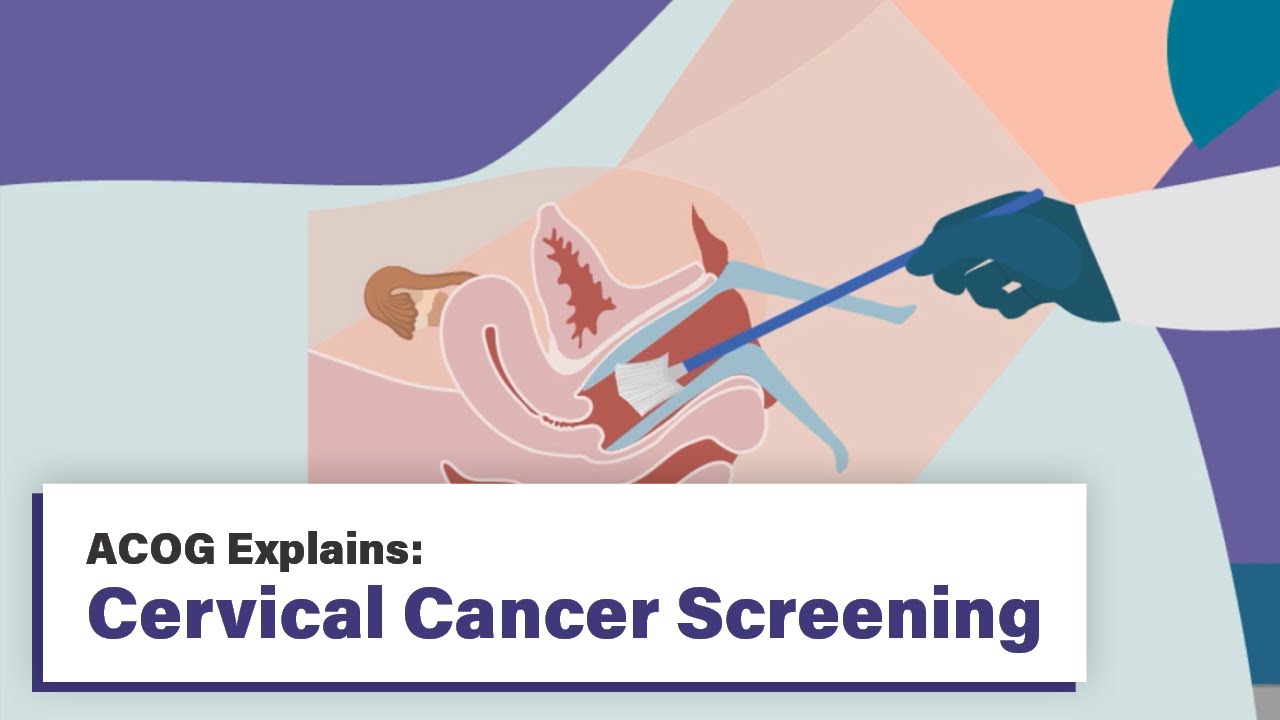
The Pap smear test detects abnormal cervical cells. During the procedure, the doctor collects cells from the cervix using a small brush.
Key Benefits:
- Detects precancerous changes early
- Quick and painless procedure
- Widely available and cost-effective
2. HPV Test
The HPV test identifies high-risk strains of the virus responsible for cervical cancer.
Key Benefits:
- Detects virus before cell changes occur
- Helps assess long-term cancer risk
- More accurate when combined with Pap test
3. Co-Testing (Pap + HPV)
Doctors often recommend co-testing for better accuracy.
Advantages:
- Higher detection rate
- Longer screening intervals
- Better preventive strategy
Early Warning Signs of Women’s Health Concerns
In Women’s Cervical Cancer Screening Advice – Although early cervical cancer may not show symptoms, some warning signs require immediate screening:
- Unusual vaginal bleeding
- Bleeding after intercourse
- Pelvic pain
- Abnormal vaginal discharge
- Pain during intercourse
However, even without symptoms, regular screening remains essential.
How to Prepare For Cervical Cancer Screening Advice test ?
Cervical Cancer Screening Advice – Proper preparation ensures accurate results. Therefore, follow these important steps:
- Avoid sexual intercourse 24–48 hours before the test
- Do not use vaginal creams or medications before screening
- Avoid scheduling during menstruation
- Inform your doctor about any medications or pregnancy
As a result, these precautions help improve test accuracy and reliability.
What Happens During the Screening Procedure?
Cervical Cancer Screening Advice – Many women feel anxious before the test. However, the procedure remains simple and quick.
Step-by-Step Process:
- The doctor asks you to lie on an examination table
- A speculum is inserted gently into the vagina
- The doctor collects cervical cells using a soft brush
- The sample is sent to the laboratory for analysis
Usually, the procedure takes only a few minutes. Moreover, it causes minimal discomfort.
Understanding Your Cervical Cancer Screening Advice test results
Cervical Cancer Screening Advice – After screening, results generally fall into the following categories:
Normal Result
- No abnormal cells detected
- Continue routine screening
Abnormal Result
- Indicates cell changes
- Does not necessarily mean cancer
- Requires further testing
HPV Positive
- Indicates presence of high-risk virus
- Requires monitoring or additional tests
Therefore, always consult your doctor to understand the next steps.
Prevention Tips for Cervical Cancer
Cervical Cancer Screening Advice -In addition to screening, preventive measures significantly reduce risk.
1. HPV Vaccination
- Protects against high-risk HPV strains
- Recommended for young girls and women
2. Safe Sexual Practices
- Use protection
- Limit multiple partners
3. Regular Screening
- Follow recommended schedule
- Never skip routine tests
4. Healthy Lifestyle
- Maintain balanced diet
- Avoid smoking
- Exercise regularly
As a result, combining these steps ensures better protection.