
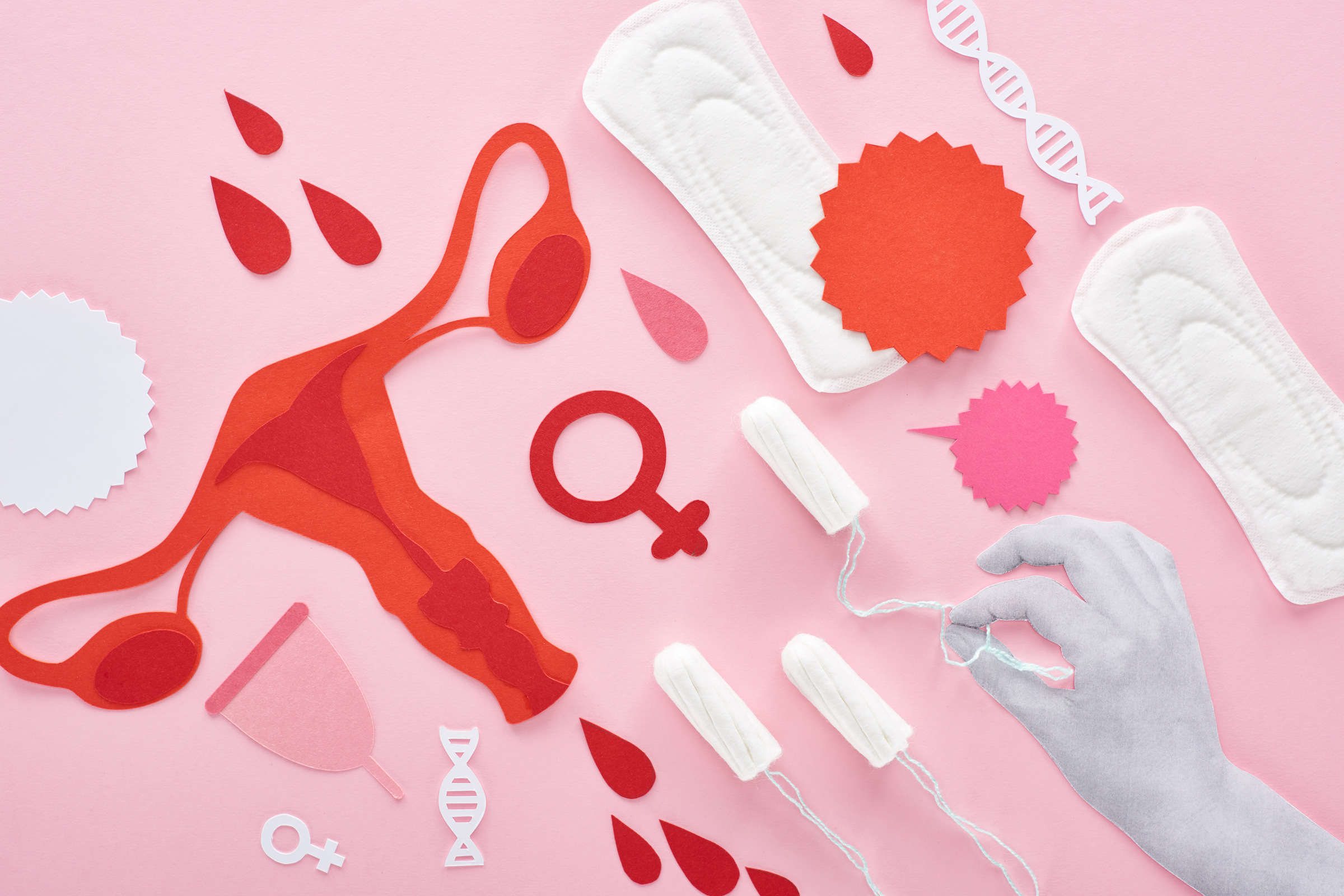
Adolescent menstrual health counseling – Adolescence brings many physical and emotional changes, and among them, menstruation plays a crucial role in a young girl’s life. Therefore, proper guidance becomes essential. Adolescent menstrual health counseling helps girls understand their bodies, manage their cycles confidently, and maintain overall reproductive health. Moreover, early awareness prevents confusion, fear, and long-term health issues.
At our clinic, we provide comprehensive menstrual health counseling for adolescents. We focus not only on education but also on emotional support. As a result, young girls feel comfortable, informed, and empowered.
At our clinic, we offer personalized menstrual health guidance for adolescents to help young girls better understand their changing bodies and reproductive health. Along with medical education, we provide a supportive and comfortable environment where teenagers can openly discuss their concerns and receive proper guidance.
What is Adolescent Menstrual Health ?
Furthermore, counseling creates a safe space where teenagers can ask questions without hesitation. Consequently, they develop confidence in handling their menstrual health independently.
Breaking Myths About Menstruation
Many cultural myths still surround menstruation. However, counseling plays a vital role in breaking these misconceptions.
In reality, none of these beliefs are medically correct. Therefore, awareness helps eliminate stigma and promotes healthy practices.
Why is Adolescent Menstrual Health is Important?
Adolescent menstrual health counseling – Menstrual health education is often neglected; however, it is extremely important. Without proper knowledge, adolescents may develop fear, anxiety, or unhealthy practices.
Key Reasons:
- First of all, it promotes awareness about normal menstrual cycles
- Secondly, it helps identify irregularities early
- Moreover, it encourages hygienic practices
- In addition, it reduces stigma and myths
- Finally, it supports emotional and mental well-being
As a result, girls grow into confident individuals who understand their bodies.
Understanding the Menstrual Cycle
Adolescent menstrual health counseling – Before addressing problems, it is essential to understand the basics. The menstrual cycle usually ranges from 21 to 35 days. During this cycle, the body prepares for pregnancy, and when it does not occur, the uterus sheds its lining.
Phases of the Cycle:
- Menstrual Phase – Bleeding occurs for 3–7 days
- Follicular Phase – Hormones prepare the ovary
- Ovulation Phase – Egg release takes place
- Luteal Phase – Body prepares for possible pregnancy
Therefore, understanding these phases helps adolescents track their cycles effectively.
Common Menstrual Issues in Adolescents
Adolescent menstrual health counseling – Although menstruation is natural, many adolescents face certain challenges. Therefore, counseling becomes necessary to manage these issues early.
1. Irregular Periods
Initially, irregular cycles are common; however, persistent irregularity needs evaluation. Counseling helps identify causes such as hormonal imbalance or stress.
2. Painful Periods (Dysmenorrhea)
Many girls experience cramps; however, severe pain should not be ignored. Therefore, proper guidance helps manage pain through lifestyle changes and treatment.
3. Heavy Bleeding
Excessive bleeding can lead to weakness and anemia. Consequently, early counseling ensures timely diagnosis and care.
4. Delayed Menarche
If periods do not start by age 15, evaluation becomes important. Hence, counseling provides clarity and reassurance.
5. Premenstrual Syndrome (PMS)
Mood swings, bloating, and irritability are common. However, proper guidance helps manage these symptoms effectively.
Menstrual Hygiene Education
Adolescent menstrual health counseling – Maintaining hygiene during menstruation is extremely important. Therefore, counseling emphasizes safe and clean practices.
Essential Hygiene Tips:
- First, change sanitary products every 4–6 hours
- Secondly, wash hands before and after use
- Moreover, use clean and safe products
- In addition, maintain genital hygiene
- Finally, dispose of sanitary products properly
As a result, these practices prevent infections and discomfort.
Types of Menstrual Products
Adolescent menstrual health counseling – Today, multiple menstrual hygiene options are available. Therefore, counseling helps adolescents choose what suits them best.
Options Include:
- Sanitary pads
- Tampons
- Menstrual cups
- Period underwear
Although each option has benefits, the choice depends on comfort, lifestyle, and awareness. Hence, proper guidance ensures safe usage.
Nutrition and Menstrual Health in Adolescent Menstrual Health
Adolescent menstrual health counseling – Diet plays a crucial role in menstrual health. Therefore, counseling includes nutritional advice for adolescents.
Recommended Foods:
- Iron-rich foods like spinach and dates
- Calcium sources like milk and yogurt
- Protein-rich foods such as eggs and legumes
- Fresh fruits and vegetables
Moreover, hydration is equally important. Consequently, a balanced diet supports regular cycles and reduces symptoms.
Role of Lifestyle in Menstrual Health in Adolescent in Menstrual Cycle
Adolescent menstrual health counseling – A healthy lifestyle directly affects menstrual health. Therefore, counseling emphasizes daily habits.
Healthy Practices:
- Regular physical activity
- Adequate sleep
- Stress management techniques
- Avoiding junk food
As a result, these habits regulate hormones and improve overall well-being.
Emotional and Psychological Support Adolescent Menstrual Health
Adolescent menstrual health counseling – Adolescence involves emotional changes along with physical ones. Therefore, menstrual counseling also addresses mental health.
Key Focus Areas:
- Building body positivity
- Reducing fear and embarrassment
- Encouraging open communication
- Managing mood swings
Consequently, girls feel more confident and emotionally stable.