
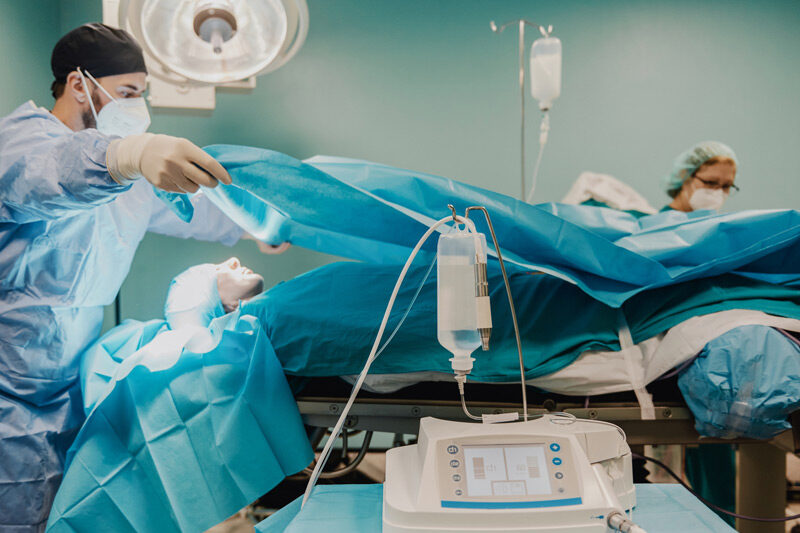
Pre-operative and post -operative care -Surgery plays a crucial role in treating many health conditions. However, successful outcomes do not depend only on the procedure itself. Instead, proper pre-operative and post-operative care ensures safety, reduces complications, and speeds up recovery.
Therefore, patients must carefully follow their doctor’s instructions, maintain proper personal hygiene, take prescribed medications on time, and attend all scheduled follow-up appointments after the procedure. Regular medical check-ups also help doctors monitor recovery progress and identify any complications at an early stage. By following these important guidelines, patients can experience faster healing, reduced risk of infection, improved comfort, and better long-term health outcomes.
What is Pre-operative Care?
Pre-operative care refers to all the preparations made before surgery. It ensures that your body is ready for the procedure. Moreover, it helps doctors identify risks early and manage them effectively.
Benefits of Proper Surgical Care
When patients follow proper care, they experience:
- Faster healing
- Reduced hospital stay
- Lower medical costs
- Improved quality of life
Hence, proper care directly impacts overall health outcomes.
Importance of Pre-operative Care
First of all, pre-operative care minimizes complications. In addition, it improves surgical outcomes and reduces recovery time. Furthermore, it prepares patients mentally and physically for surgery.
Because of proper preparation:
- Doctors can assess overall health
- Patients can avoid last-minute risks
- Recovery becomes faster and smoother
Pre-operative Assessment
Before surgery, doctors perform a complete evaluation. This process includes several important steps.
1. Medical History Review
Firstly, your doctor will review your medical history. This includes:
- Previous illnesses
- Past surgeries
- Current medications
- Allergies
As a result, doctors can avoid complications during surgery.
2. Physical Examination
Next, a thorough physical examination is performed. The doctor checks:
- Heart condition
- Lung function
- Blood pressure
- Overall fitness
Therefore, this step ensures your body can handle the procedure.
3. Diagnostic Tests
In addition, doctors may recommend tests such as:
- Blood tests
- ECG
- X-rays
- MRI or CT scans
These tests provide detailed insights into your health. Consequently, doctors can plan the surgery more effectively.
Pre-operative Instructions
After evaluation, patients receive specific instructions. It is important to follow them strictly.
1. Fasting Before Surgery
Usually, doctors advise fasting for 6–8 hours before surgery. This prevents complications related to anesthesia.
Therefore, avoid eating or drinking unless your doctor allows it.
2. Medication Management
Some medications may interfere with surgery. For example:
- Blood thinners
- Diabetes medications
Hence, your doctor may adjust or stop certain medicines before surgery.
3. Lifestyle Modifications
Before surgery, doctors recommend:
- Avoiding smoking
- Limiting alcohol intake
- Eating a healthy diet
As a result, your body becomes stronger and heals faster.
4. Mental Preparation
Besides physical health, mental readiness is equally important. Therefore:
- Ask questions about the procedure
- Understand risks and benefits
- Stay calm and positive
This approach reduces anxiety and improves recovery.
What is Post-operative Care?
Post-operative care refers to the care you receive after surgery. It focuses on recovery, healing, and preventing complications.
Importance of Post-operative Care
After surgery, your body needs time to heal. Therefore, proper care ensures:
- Faster recovery
- Reduced pain
- Lower risk of infection
- Better surgical results
In fact, post-operative care plays an equally important role as the surgery itself.
Immediate Post-operative Care
Right after surgery, patients are closely monitored.
1. Recovery Room Monitoring
Initially, patients are moved to a recovery room. Healthcare professionals monitor:
- Heart rate
- Blood pressure
- Oxygen levels
As a result, doctors can quickly respond to any complications.
2. Pain Management
After surgery, pain is common. Therefore, doctors provide:
- Painkillers
- IV medications
- Local anesthesia (if needed)
Effective pain control helps patients recover comfortably.
3. Wound Care
Proper wound care prevents infections. Hence:
- Keep the surgical site clean
- Follow dressing instructions
- Avoid touching the wound unnecessarily
This ensures faster healing.
Post-operative Care at Home
Once discharged, patients must continue care at home.
1. Medication Adherence
Firstly, take all prescribed medications on time. These may include:
- Antibiotics
- Pain relievers
- Anti-inflammatory drugs
Therefore, following prescriptions prevents complications.
2. Diet and Nutrition
After surgery, your body needs nutrients. Thus:
- Eat protein-rich foods
- Stay hydrated
- Include fruits and vegetables
Good nutrition supports tissue repair and healing.
3. Physical Activity
Although rest is important, movement is also necessary. Therefore:
- Start with light activity
- Gradually increase movement
- Avoid heavy lifting
This improves circulation and prevents stiffness.
4. Follow-up Visits
Regular follow-ups are essential. During these visits:
- Doctors check healing progress
- Stitches may be removed
- Medications may be adjusted
Thus, follow-up care ensures proper recovery.
Signs of Complications
Even though most surgeries are safe, complications can occur. Therefore, watch for warning signs:
- Fever
- Excessive pain
- Swelling or redness
- Pus or discharge
- Difficulty breathing
If you notice any of these symptoms, contact your doctor immediately.
Common Types of Surgeries Requiring Care
Pre and post-operative care is essential for many procedures, including:
- Orthopedic surgeries (joint replacement)
- Cardiac surgeries
- General surgeries
- Cosmetic procedures
- Dental surgeries
Therefore, every surgical procedure requires proper care for success.