
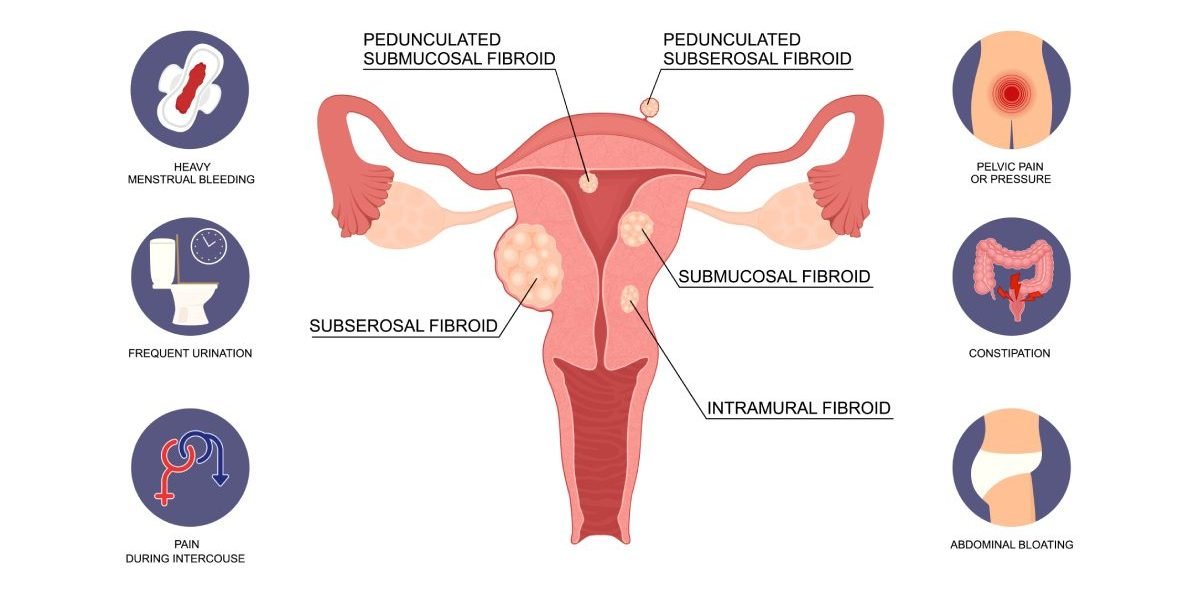
Fibroids treatment planning—also known as uterine fibroids it is non-cancerous growths that develop in or around the uterus. Although they are common among women of reproductive age, their symptoms and impact can vary widely. Therefore, proper fibroid treatment planning becomes essential for maintaining overall reproductive health and quality of life. In addition, timely diagnosis and personalized care help ensure better treatment outcomes and long-term relief.
Early Diagnosis and Treatment Planning for Uterine Fibroids
Fibroids treatment planning varies depending on the size, number, and symptoms of fibroids. While some fibroids may require minimal or no intervention, others may need advanced medical or surgical treatment. Therefore, early diagnosis, proper evaluation, and expert guidance are essential for effective management.
If you experience symptoms such as heavy menstrual bleeding, pelvic pain, or fertility issues, it is important not to ignore them. Instead, consult a specialist promptly. In addition, timely treatment helps improve outcomes and supports better reproductive health, allowing you to begin your treatment journey with confidence.
Initial Consultation and Medical Evaluation For Fibroids treatment planning
Key aspects assessed include:
- Menstrual cycle patterns such as heavy bleeding or irregular periods
- Presence of pelvic pain or pressure
- Frequent urination or constipation
- Previous pregnancies or fertility concerns
- Family history of fibroids
- Lifestyle habits and stress levels
In addition, doctors assess the severity and duration of symptoms to determine how significantly fibroids are affecting your daily life. Therefore, this comprehensive evaluation helps in forming an accurate clinical picture.
As a result, the doctor develops a personalized diagnostic and treatment plan tailored to your specific needs.
Diagnostic Tests and Imaging For Fibroids treatment planning
Fibroids treatment planning continues after the initial consultation with specific diagnostic tests that confirm the presence, size, number, and location of fibroids. Since accurate diagnosis plays a key role in determining the most effective treatment, this step is essential for proper care.
Common diagnostic methods include:
1. Ultrasound Scan
First and foremost, an ultrasound scan is the most commonly used imaging test. It helps visualize fibroids clearly and assess their size and location within the uterus.
2. MRI Scan
In more complex cases, an MRI scan provides highly detailed images of the uterus. Therefore, it is especially useful for surgical planning or when multiple fibroids are suspected.
3. Hysteroscopy
Furthermore, hysteroscopy allows doctors to examine the inside of the uterus using a thin camera. This procedure is particularly helpful in detecting submucosal fibroids.
4. Blood Tests
Meanwhile, blood tests are performed to check for anemia caused by heavy or prolonged menstrual bleeding.
Consequently, these diagnostic tools together provide a complete and accurate understanding of the condition, helping doctors create an effective and personalized treatment plan.
Understanding Fibroid Types and Severity For Fibroids treatment planning
Fibroids treatment planning progresses once the diagnosis is complete, as doctors classify fibroids based on their location. This classification is important because it helps determine the most appropriate and effective treatment approach.
Types of Fibroids
Intramural Fibroids: Located within the uterine wall
Submucosal Fibroids: Grow inside the uterine cavity
Subserosal Fibroids: Develop on the outer surface of the uterus
Pedunculated Fibroids: Attached to the uterus by a stalk
In addition, doctors carefully evaluate several other important factors, including:
Size and number of fibroids
Rate of fibroid growth
Severity and impact of symptoms
Thus, by considering both classification and clinical factors, doctors can develop a more accurate and personalized fibroid treatment plan.
Personalized Treatment Planning For Fibroids treatment
Fibroids treatment planning at this stage involves creating a customized and patient-specific treatment plan. Importantly, not all fibroids require immediate intervention. Therefore, the management approach depends on individual health needs and clinical findings.
Factors influencing treatment include:
- Age and overall health condition
- Severity of symptoms
- Desire for future pregnancy
- Size, number, and location of fibroids
As a result, treatment options may vary from simple observation and regular monitoring to medical therapy or advanced surgical procedures, depending on the patient’s condition.
Non-Surgical Treatment Options
1. Medications
Initially, medications are prescribed to help control symptoms and improve quality of life.
Hormonal therapy helps regulate menstrual cycles
Pain relievers reduce discomfort and menstrual cramps
GnRH agonists temporarily shrink fibroids
However, medications do not permanently remove fibroids. Therefore, they are generally used as short-term management solutions rather than a permanent cure.
Fibroid Treatment Options: From Lifestyle Modifications to UFE Therapy
Fibroids treatment planning – 1. Lifestyle Modifications
In addition to medical treatment, lifestyle changes play an important supportive role in managing fibroids.
Recommended changes include:
Maintaining a healthy body weight
Eating a balanced diet rich in fruits and vegetables
Reducing red meat consumption
Managing stress through yoga and meditation
Consequently, these healthy habits may help slow fibroid growth and improve overall reproductive health.
2. Uterine Fibroid Embolization (UFE)
Uterine Fibroid Embolization is an effective minimally invasive treatment option.
In this procedure:
Doctors block the blood supply to fibroids
As a result, fibroids gradually shrink over time
Modern Approach to Fibroid Removal with Laparoscopic Surgery
Fibroids treatment planning – When non-surgical treatments are not effective, doctors may recommend minimally invasive procedures. These advanced options help treat fibroids effectively while ensuring faster recovery and minimal discomfort.
1. Laparoscopic Myomectomy
First, laparoscopic myomectomy involves removing fibroids while preserving the uterus.
Benefits include:
Smaller incisions
Faster recovery
Less pain
Therefore, it is often the preferred option for women planning future pregnancy.
Fibroid Removal Techniques: Hysteroscopy and MRI-Guided Ultrasound Therapy
1. Hysteroscopic Myomectomy
Similarly, hysteroscopic myomectomy removes fibroids through the vagina without any external incision.
It is especially suitable for:
Submucosal fibroids
Women experiencing heavy menstrual bleeding
2. MRI-Guided Focused Ultrasound Surgery (FUS)
Furthermore, this advanced non-invasive technique uses focused ultrasound waves to destroy fibroid tissue.
Advantages include:
Completely non-invasive
No cuts or stitches
Quick recovery
Thus, it is becoming an increasingly popular treatment option among patients seeking minimal downtime.
Surgical Treatment Options For Fibroids treatment planning
Fibroids treatment planning – In severe cases, surgery becomes necessary. However, doctors always consider less invasive methods first.
1. Myomectomy
This surgery removes fibroids while keeping the uterus intact.
It is recommended for:
- Women who want to conceive
- Large or multiple fibroids
2. Hysterectomy
In contrast, hysterectomy involves removal of the uterus.
Doctors suggest it when:
- Fibroids are very large
- Symptoms are severe
- Other treatments fail
Although it is a permanent solution, it eliminates the possibility of pregnancy.
Fertility and Pregnancy Considerations For Fibroids treatment planning
Fibroids treatment planning – Fibroids can affect fertility, depending on their size and location. Therefore, treatment planning must consider reproductive goals.
Important considerations:
- Submucosal fibroids may affect implantation
- Large fibroids can distort the uterus
- Treatment improves chances of pregnancy
Consequently, doctors design fertility-friendly treatment plans for women planning to conceive.
Post-Treatment Care and Recovery Fibroids treatment planning
Fibroids treatment planning – After treatment, proper care ensures faster recovery and prevents complications.
Key recovery tips:
- Follow prescribed medications
- Avoid heavy lifting
- Maintain a healthy diet
- Attend follow-up appointments
Moreover, regular monitoring helps detect recurrence early.
Long-Term Monitoring and Prevention For Fibroids treatment planning
Fibroids treatment planning – Even after successful treatment, fibroids may recur. Therefore, long-term monitoring is essential.
Preventive measures:
- Regular gynecological check-ups
- Hormonal balance maintenance
- Healthy lifestyle habits
As a result, early detection becomes possible, reducing future complications.