Pregnancy counselling for diet, lifestyle and warning signs – Pregnancy is a beautiful journey; however, it also brings significant physical and emotional changes. Therefore, proper pregnancy counseling plays a vital role in ensuring the health and well-being of both the mother and the baby. Moreover, expert guidance on diet, lifestyle, and warning signs helps expectant mothers stay informed, confident, and prepared throughout every stage of pregnancy.
Importance of Pregnancy Counseling For Pregnancy counselling for diet, lifestyle and warning signs
Pregnancy counselling for diet, lifestyle and warning signs -First and foremost, pregnancy counseling provides structured guidance tailored to each woman’s needs. Furthermore, it helps mothers make informed decisions regarding nutrition, physical activity, and overall health.
Key Benefits:
- Improves maternal and fetal health
- Reduces pregnancy-related risks
- Enhances emotional well-being
- Promotes healthy lifestyle habits
- Encourages early detection of complications
As a result, proper counseling ensures a safe and healthy pregnancy journey.
Diet Counseling For Healthy lifestyle and warning signs During Pregnancy
Pregnancy counselling for diet, lifestyle and warning signs
- Why Diet Matters During Pregnancy
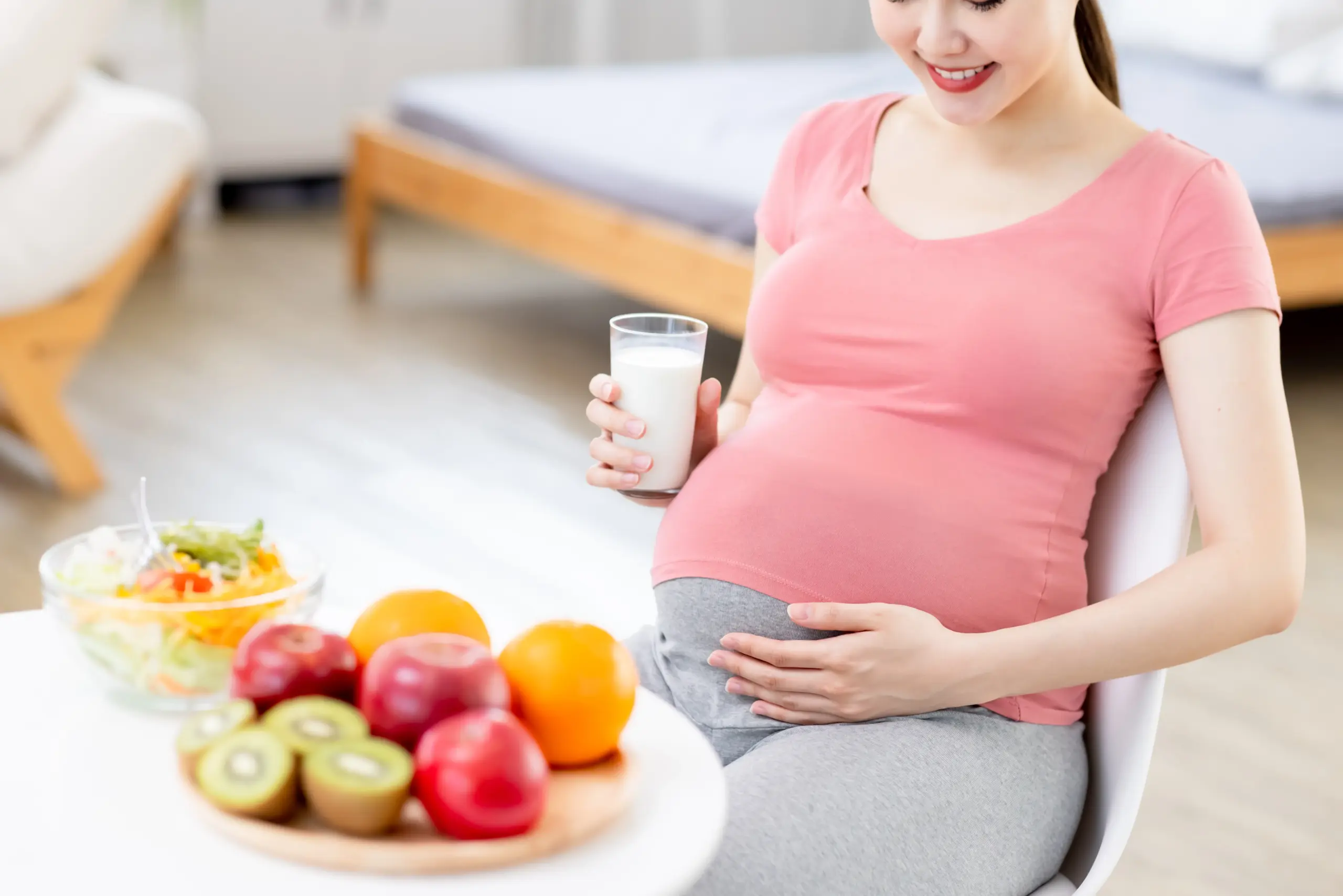
- During pregnancy, the body requires additional nutrients to support the growing baby. Therefore, a balanced and nutrient-rich diet becomes essential. Moreover, proper nutrition prevents deficiencies and supports fetal development.
- Essential Nutrients for Pregnancy
1. Folic Acid
Firstly, folic acid plays a crucial role in preventing neural tube defects. Therefore, doctors recommend consuming leafy greens, citrus fruits, and fortified cereals.
2. Iron
Secondly, iron helps in producing hemoglobin and preventing anemia. Consequently, pregnant women should include spinach, lentils, and red meat in their diet.
3. Calcium
In addition, calcium strengthens the baby’s bones and teeth. Thus, milk, cheese, and yogurt should be part of the daily diet.
4. Protein
Furthermore, protein supports tissue growth and development. Hence, eggs, pulses, nuts, and dairy products are highly beneficial.
5. Omega-3 Fatty Acids
Moreover, omega-3 fatty acids aid brain development. Therefore, include walnuts, flaxseeds, and fish (low mercury) in your meals.
Pregnancy counselling for diet, lifestyle and warning signs For Foods to Eat During Pregnancy
Pregnancy counselling for diet, lifestyle and warning signs For maintain a healthy pregnancy, include the following foods:
- Fresh fruits and vegetables
- Whole grains like brown rice and oats
- Dairy products
- Lean proteins
- Nuts and seeds
Additionally, drink plenty of water to stay hydrated.
Pregnancy counselling for diet, lifestyle and warning signs For Foods to Avoid During Pregnancy
On the other hand, certain foods can harm the baby. Therefore, avoid:
- Raw or undercooked meat
- Unpasteurized dairy products
- High-mercury fish
- Excess caffeine
- Processed and junk food
As a precaution, always ensure food hygiene and proper cooking.
Lifestyle Counseling During Pregnancy For warning signs in Prgnancy
- Importance of a Healthy Lifestyle
Along with diet, lifestyle choices significantly impact pregnancy outcomes. Therefore, adopting healthy habits ensures physical and mental well-being.
- Physical Activity
Firstly, regular exercise improves blood circulation and reduces stress. Moreover, it helps manage weight and prepares the body for childbirth.
Recommended Activities:
Walking
Prenatal yoga
Light stretching
However, always consult a doctor before starting any exercise routine.
- Sleep and Rest
Secondly, adequate rest is essential during pregnancy. Therefore, aim for at least 7–9 hours of sleep daily. Additionally, use pillows for support and maintain a comfortable sleeping position.
- Stress Management
Furthermore, emotional well-being is equally important. Hence, practice relaxation techniques such as:
Meditation
Deep breathing
Listening to calming music
As a result, stress levels decrease, and overall health improves.
- Avoid Harmful Habits
During pregnancy, it is crucial to avoid:
Smoking
Alcohol consumption
Drug use
These substances can severely harm the baby’s development. Therefore, complete avoidance is necessary.
Personal Hygiene
In addition, maintaining hygiene prevents infections. Thus:
Wash hands regularly
Keep surroundings clean
Practice safe food handling
Consequently, these habits reduce health risks.
Pregnancy counselling for diet, lifestyle and warning signs For Monitoring Weight Gain
Healthy weight gain is essential for fetal growth. However, excessive or insufficient weight can cause complications.
General Guidelines:
- Underweight women: Gain more weight
- Normal weight women: Moderate gain
- Overweight women: Controlled gain
Therefore, regular check-ups help monitor progress effectively.
Warning Signs During Pregnancy
Why Recognizing Warning Signs is Important
Although pregnancy is natural, complications can arise unexpectedly. Therefore, recognizing warning signs early can prevent serious issues.
Common Warning Signs
1. Severe Abdominal Pain
If you experience intense abdominal pain, it may indicate complications such as ectopic pregnancy or placental issues. Therefore, seek immediate medical help.
2. Heavy Bleeding
While light spotting can be normal, heavy bleeding is a serious concern. Consequently, consult a doctor without delay.
3. Persistent Vomiting
Although nausea is common, excessive vomiting can lead to dehydration. Hence, medical attention is necessary.
4. Severe Headache
A severe or persistent headache may indicate high blood pressure. Therefore, do not ignore this symptom.
5. Swelling of Hands and Face
Sudden swelling can signal preeclampsia. Thus, immediate evaluation is essential.
6. Reduced Baby Movement
As pregnancy progresses, fetal movements become noticeable. However, reduced movement requires urgent medical assessment.
7. High Fever
Fever during pregnancy can indicate infection. Therefore, timely treatment is crucial.
8. Painful Urination
This symptom may suggest a urinary tract infection. Consequently, consult a healthcare provider.
9. Leakage of Fluid
If you notice fluid leakage, it may indicate rupture of membranes. Therefore, seek immediate care.
10. Shortness of Breath
While mild breathlessness is normal, severe difficulty breathing is a warning sign. Hence, do not delay medical consultation.
Role of Family Support
Pregnancy requires emotional and physical support. Therefore, family involvement plays a crucial role.
How Family Can Help:
- Provide emotional encouragement
- Assist with daily tasks
- Ensure proper nutrition
- Accompany for medical visits
As a result, the mother feels more secure and relaxed.
Importance of Regular Check-Ups
Routine prenatal visits help monitor both mother and baby. Furthermore, doctors can track growth, detect abnormalities, and provide timely interventions.
Typical Check-Up Schedule:
- Monthly visits (first 6 months)
- Bi-weekly visits (7th–8th month)
- Weekly visits (last month)
Therefore, never skip appointments.