
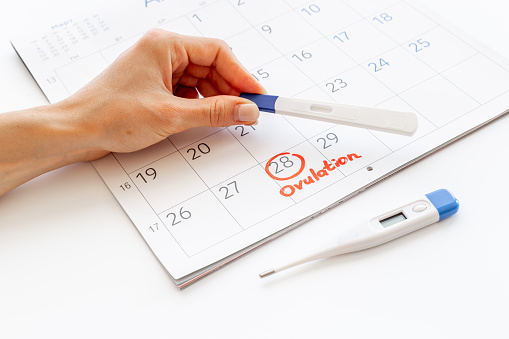
What is Ovulation Assessment?
Why is Ovulation Assessment Important?
Ovulation assessment becomes important for several reasons. First of all, it helps couples understand the most fertile window. Secondly, it detects irregular ovulation patterns. Additionally, it assists doctors in planning fertility treatments.
Key Benefits:
- Helps identify fertile days accurately
- Improves chances of natural conception
- Detects hormonal imbalance early
- Assists in infertility diagnosis
- Guides fertility treatments effectively
Moreover, when you track ovulation correctly, you can avoid unnecessary delays in treatment. As a result, couples experience better outcomes and reduced stress.
Signs of Ovulation
Before medical testing, many women notice natural signs of ovulation. Although these signs vary, they still provide helpful clues.
Common Symptoms Include:
- Mild pelvic pain (mittelschmerz)
- Increase in cervical mucus
- Slight rise in basal body temperature
- Increased libido
- Breast tenderness
However, these symptoms may not always be reliable. Therefore, doctors recommend clinical ovulation assessment for accurate results.
Methods of Ovulation Assessment
Doctors use several methods to assess ovulation. Each method provides valuable insights; however, combining them often gives the best results.
1. Ovulation Predictor Kits (OPKs)
Ovulation predictor kits detect the surge of luteinizing hormone (LH) in urine. Since LH surge triggers ovulation, these kits help identify the most fertile days.
Advantages:
- Easy to use at home
- Quick results
- Cost-effective
However:
- May not work well in PCOS cases
- Requires proper timing
Therefore, although OPKs provide convenience, medical tests offer more accurate evaluation.
2. Basal Body Temperature (BBT) Charting
BBT charting tracks body temperature changes throughout the menstrual cycle. After ovulation, progesterone causes a slight temperature rise.
Benefits:
- Non-invasive method
- Helps track cycle patterns
Limitations:
- Requires daily tracking
- Indicates ovulation after it occurs
Thus, BBT works best when combined with other methods.
3. Ultrasound Follicular Monitoring
Doctors perform ultrasound scans to monitor follicle growth in the ovaries. This method provides real-time information about ovulation.
Why It is Effective:
- Tracks follicle size
- Confirms ovulation timing
- Helps in fertility treatments
Moreover, doctors often use this method in IVF or IUI planning. Consequently, it remains one of the most reliable ovulation assessment techniques.
4. Blood Hormone Tests
Blood tests measure hormone levels such as:
- Follicle Stimulating Hormone (FSH)
- Luteinizing Hormone (LH)
- Progesterone
- Estradiol
These tests help determine whether ovulation occurs properly. Additionally, they reveal hormonal imbalances affecting fertility.
5. Cervical Mucus Monitoring
During ovulation, cervical mucus becomes clear and stretchy. Therefore, observing these changes helps identify fertile days.
However, this method requires experience and consistency. As a result, many women combine it with other techniques for better accuracy.
When Should You Get Ovulation Assessment?
You should consider ovulation assessment in the following situations:
- Trying to conceive for more than 6–12 months
- Irregular menstrual cycles
- History of PCOS or thyroid issues
- Previous miscarriages
- Unexplained infertility
Furthermore, early assessment helps prevent complications and improves treatment success rates.
Ovulation Disorders
Sometimes, ovulation does not occur regularly. Therefore, doctors diagnose ovulatory disorders using proper assessment methods.
Common Disorders Include:
1. Anovulation
In this condition, the ovary does not release an egg. Consequently, pregnancy cannot occur naturally.
2. Oligo-ovulation
Ovulation occurs irregularly. Therefore, fertility chances reduce significantly.
3. Polycystic Ovary Syndrome (PCOS)
PCOS affects hormone balance and disrupts ovulation. As a result, many women require medical support.
A healthy diet plays a crucial role in antenatal care. Therefore, expecting mothers should consume nutrient-rich foods.
Recommended Foods:
- Green leafy vegetables
- Fruits rich in vitamins
- Dairy products
- Whole grains
- Protein-rich foods
Foods to Avoid:
- Junk and processed foods
- Excess caffeine
- Raw or undercooked food
Moreover, drinking sufficient water is equally important.
Role of Ovulation Assessment in Fertility Treatment
Ovulation assessment plays a central role in fertility treatments. Doctors use assessment results to customize treatment plans.
Treatments Based on Assessment:
- Ovulation induction medications
- Timed intercourse guidance
- Intrauterine Insemination (IUI)
- In Vitro Fertilization (IVF)
Moreover, accurate ovulation tracking ensures proper timing of procedures. Consequently, success rates improve significantly.
How to Prepare for Ovulation Testing
Proper preparation ensures accurate results. Therefore, follow these steps:
- Maintain a regular cycle record
- Inform your doctor about medications
- Follow testing schedule strictly
- Stay hydrated and healthy
Additionally, avoid stress because it may affect hormonal balance.
Diet for Healthy Ovulation
Nutrition directly affects reproductive health. Therefore, include fertility-boosting foods in your diet.
Recommended Foods:
- Leafy green vegetables
- Whole grains
- Nuts and seeds
- Lean proteins
- Fruits rich in antioxidants
Additionally, drinking enough water supports hormonal balance.