
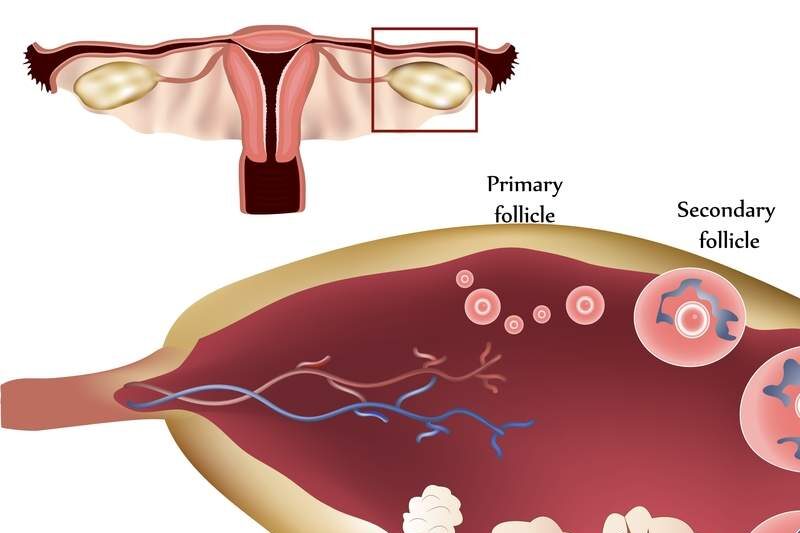
Ovulation induction is a highly effective fertility treatment that helps women ovulate regularly. In simple terms, doctors use medications to stimulate the ovaries so they can release eggs. As a result, this process significantly increases the chances of pregnancy.
ovulation induction is a safe, effective, and widely used fertility treatment. It helps women overcome ovulation problems and achieve pregnancy successfully.
Moreover, with proper diagnosis, personalized treatment, and lifestyle improvements, many couples can fulfill their dream of parenthood.
If you are struggling with infertility, do not wait. Instead, consult a fertility specialist and take the first step toward a happy and healthy pregnancy journey.
Why is Ovulation Induction Needed ?
Many women struggle with ovulation-related issues. Consequently, conception becomes difficult without medical support. Ovulation induction helps overcome these challenges effectively.
Common Reasons Include:
- Irregular menstrual cycles
- Polycystic Ovary Syndrome (PCOS)
- Hormonal imbalance
- Thyroid disorders
- Unexplained infertility
Moreover, doctors also recommend ovulation induction in cases where ovulation exists but needs improvement for better egg quality and timing.
Complete Guide to Ovulation Induction Treatment for Fertility Support
Ovulation induction treatment is an advanced fertility treatment designed to help women who experience irregular ovulation, hormonal imbalance, PCOS, or difficulty conceiving naturally. This treatment uses specialized ovulation stimulation medicines to encourage healthy egg development and improve the chances of pregnancy. The ovulation induction process usually includes fertility evaluation, hormone assessment, ultrasound monitoring, and personalized treatment planning based on the patient’s reproductive health condition. It is commonly recommended for women facing ovulation-related infertility issues and can be an effective solution for couples trying to achieve pregnancy naturally. The success rate of ovulation induction depends on factors such as age, overall reproductive health, lifestyle, and the underlying cause of infertility. Modern fertility treatment options also focus on improving hormonal balance, supporting egg quality, and enhancing overall reproductive wellness. With proper medical guidance, lifestyle management, and timely fertility care, ovulation induction offers a safe and effective approach for improving conception chances and supporting healthy pregnancy outcomes.
How Ovulation Induction Works ?
Initially, the process begins with a detailed evaluation. After that, doctors prescribe medications that stimulate the ovaries.
Step-by-Step Process:
1. Initial Consultation
First and foremost, the fertility specialist reviews your medical history. At the same time, they assess menstrual patterns, lifestyle habits, and previous pregnancy history.
2. Hormonal Testing
Next, blood tests evaluate hormone levels such as FSH, LH, and estrogen. As a result, doctors identify the root cause of ovulation issues.
3. Ultrasound Monitoring
Meanwhile, transvaginal ultrasounds monitor follicle growth. This step ensures that the ovaries respond properly to treatment.
4. Medication Administration
After evaluation, doctors prescribe ovulation induction medications. These medicines stimulate egg development.
5. Trigger Shot
Once follicles mature, a trigger injection induces ovulation. Consequently, the egg releases at the right time.
6. Timed Intercourse or IUI
Finally, doctors recommend timed intercourse or intrauterine insemination (IUI) to maximize pregnancy chances.
Types of Fertility Stimulation Drugs for Women with Ovulation Issues
Different medications are used depending on individual conditions. Therefore, personalized treatment ensures better success rates.
1. Oral Medications
Clomiphene Citrate
Firstly, Clomiphene is one of the most commonly used drugs. It stimulates hormone production and promotes ovulation.
Letrozole
On the other hand, Letrozole works by lowering estrogen levels. As a result, the brain signals the ovaries to produce eggs.
2. Injectable Hormones
Gonadotropins
In addition, injectable hormones directly stimulate the ovaries. These are more powerful and require close monitoring.
3. Trigger Injections
Doctors use hCG injections to trigger ovulation at the correct time. Therefore, timing becomes precise and effective.
Key Benefits of Advanced Fertility Enhancement Treatments
Ovulation induction offers multiple advantages. Not only does it improve ovulation, but it also increases pregnancy success.
Key Benefits:
- Regulates ovulation cycles
- Improves egg development
- Increases chances of natural conception
- Enhances success of IUI treatment
- Non-surgical and minimally invasive
Furthermore, it provides a cost-effective solution compared to advanced treatments like IVF.
Who is the Right Candidate?
Not every patient requires ovulation induction. However, many women benefit greatly from this treatment.
Ideal Candidates Include:
- Women with PCOS
- Women with irregular ovulation
- Couples with unexplained infertility
- Women with hormonal imbalance
- Women trying to conceive for over a year
In addition, doctors evaluate age, ovarian reserve, and overall health before recommending this treatment.
Understanding Fertility Treatment Results and Pregnancy Possibilities
The success rate varies depending on several factors. Nevertheless, ovulation induction shows promising results for many couples.
Factors Affecting Success:
- Age of the woman
- Cause of infertility
- Response to medication
- Timing of intercourse or IUI
- Overall health
On average, ovulation occurs in 70–80% of cycles. Meanwhile, pregnancy rates range between 15–25% per cycle.
Ovulation Induction vs IVF: Understanding Fertility Treatment Options
Many patients wonder whether they should choose ovulation induction vs IVF. Therefore, understanding the difference is important.
Ovulation Induction:
- Simple and affordable
- Less invasive
- Suitable for mild fertility issues
IVF (In Vitro Fertilization):
- Advanced treatment
- Higher cost
- Used for severe infertility
Thus, doctors usually start with ovulation induction before recommending IVF.
Lifestyle Tips to Improve Success In Ovulation Induction
In addition to medical treatment, lifestyle changes play a crucial role. Therefore, patients should adopt healthy habits.
Effective Tips:
- Maintain a healthy weight
- Follow a balanced diet
- Exercise regularly
- Avoid smoking and alcohol
- Manage stress through yoga or meditation
Moreover, proper sleep and hydration further improve fertility outcomes.
Monitoring During Treatment
Regular monitoring ensures safe and effective treatment. As a result, doctors adjust medications based on response.
Monitoring Includes:
- Ultrasound scans
- Hormone level checks
- Follicle tracking
Consequently, this approach prevents complications and improves success rates.