
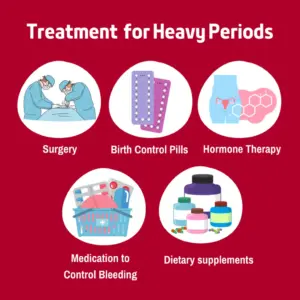
Heavy menstrual bleeding is a manageable condition when addressed with the right approach. Initially, it is important to understand the symptoms and identify the underlying causes. Subsequently, with proper diagnosis and timely medical treatment, most women can achieve significant improvement and long-term relief.
Moreover, a combination of medical treatment, lifestyle modifications, and regular follow-ups can ensure the best possible outcomes for managing heavy menstrual bleeding.
If you are experiencing heavy bleeding, it is important not to ignore the symptoms. Instead, seek timely medical advice from a healthcare professional and take the first step toward improved health, comfort, and overall well-being.
What is Heavy Menstrual Bleeding?
Treatment for heavy bleeding refers to the management of heavy menstrual bleeding, also known as menorrhagia, which is characterized by periods lasting longer than 7 days or involving excessive blood loss. For instance, if you need to change sanitary products every 1–2 hours or pass large blood clots, it may indicate abnormal menstrual bleeding.
Moreover, this condition can lead to complications such as anemia, fatigue, and a reduced quality of life. Therefore, early medical attention is crucial. In addition, timely diagnosis and appropriate treatment help prevent further health issues and support overall reproductive and general well-being.
Common Causes of Heavy Bleeding
Treatment for heavy bleeding begins with identifying the underlying cause of heavy menstrual bleeding, as several factors may contribute to this condition. Therefore, accurate diagnosis is essential for effective and targeted management.
1. Hormonal Imbalance
When estrogen and progesterone levels become unbalanced, the uterine lining may grow excessively. As a result, this can lead to heavier-than-normal bleeding during menstruation.
2. Uterine Fibroids
Uterine fibroids are non-cancerous growths in the uterus that often cause prolonged and heavy periods. In many cases, they are more commonly seen in women of reproductive age.
3. Polycystic Ovary Syndrome (PCOS)
PCOS affects normal ovulation. Consequently, it may lead to irregular cycles along with heavy or prolonged menstrual bleeding.
4. Endometriosis
Endometriosis occurs when tissue similar to the uterine lining grows outside the uterus. Therefore, it can result in both severe pain and heavy menstrual bleeding.
5. Thyroid Disorders
Both hypothyroidism and hyperthyroidism can disrupt hormonal balance and, in turn, lead to abnormal menstrual patterns and excessive bleeding.
6. Pregnancy-Related Issues
In some cases, conditions such as miscarriage or ectopic pregnancy may present with heavy or abnormal bleeding, which requires immediate medical attention.
7. Medications
Certain medicines, including blood thinners and hormonal therapies, may increase the risk of excessive menstrual bleeding.
8. Bleeding Disorders
Rarely, underlying clotting or bleeding disorders can also cause abnormally heavy menstrual flow, especially from the first few cycles.
Symptoms of Heavy Menstrual Bleeding
Treatment for heavy bleeding begins with recognizing the symptoms early, as timely attention can help prevent complications and ensure effective management.
Common signs include:
- Soaking through sanitary pads or tampons every hour
- Menstrual periods lasting more than 7 days
- Passing large blood clots during bleeding
- Severe abdominal or pelvic cramps
- Fatigue, weakness, or low energy levels
- Shortness of breath caused by anemia
If these symptoms occur frequently or persist over time, it is strongly recommended to consult a doctor immediately for proper evaluation and treatment. Early diagnosis helps ensure better outcomes and prevents further health-related complications.
Diagnosis of Treatment for heavy bleeding
Treatment for heavy bleeding begins with identifying the exact cause of heavy menstrual bleeding, as this step is essential for accurate diagnosis and effective treatment planning.
1. Medical History and Physical Examination
Initially, the doctor evaluates your menstrual cycle pattern, associated symptoms, medical history, and overall health condition. This helps in understanding possible underlying causes.
2. Blood Tests
Blood tests are performed to detect anemia, hormonal imbalances, and any underlying clotting disorders that may contribute to excessive menstrual bleeding.
3. Ultrasound
An ultrasound scan is used to examine the uterus and ovaries. It helps identify conditions such as fibroids, polyps, or structural abnormalities.
4. Pap Smear
A Pap smear test is conducted to screen for cervical abnormalities, infections, or early cellular changes in the cervix.
5. Endometrial Biopsy
In some cases, a small sample of the uterine lining is collected for detailed laboratory analysis to rule out abnormal or precancerous conditions.
6. Hysteroscopy
Hysteroscopy allows doctors to directly visualize the inside of the uterus using a thin camera, which helps in accurate identification of internal abnormalities.
Once the exact cause is identified, the doctor recommends a personalized treatment plan based on the patient’s condition and overall health needs.
Treatment Options for Heavy Bleeding
Treatment for heavy bleeding is fortunately available through several effective medical approaches. However, the choice of treatment depends on the underlying cause, severity of symptoms, age, and future pregnancy plans.
1. Medications for Heavy Bleeding
In many cases, doctors begin treatment with medicines to control bleeding and improve symptoms.
a. Nonsteroidal Anti-Inflammatory Drugs (NSAIDs)
These medications help reduce menstrual blood loss while also providing relief from pain and cramps.
b. Hormonal Therapy
Hormonal medications help regulate the menstrual cycle and restore hormonal balance. These may include:
Birth control pills
Progesterone tablets
Hormonal injections
As a result, menstrual bleeding often becomes lighter, more regular, and better controlled.
c. Tranexamic Acid
This medicine helps reduce excessive blood loss by supporting the blood clotting process during menstruation.
d. Iron Supplements
Since heavy bleeding can lead to anemia and fatigue, iron supplements are often prescribed to improve hemoglobin levels and restore energy.
Treatment Options for Heavy Bleeding
Treatment for heavy bleeding includes minimally invasive procedures, especially when medications do not provide sufficient relief. These advanced treatment options are designed to effectively manage symptoms while promoting faster recovery and minimal discomfort.
1. Minimally Invasive Procedures
If medicines are not effective, doctors may recommend minimally invasive techniques to control heavy menstrual bleeding and address underlying causes.
a. Endometrial Ablation
This procedure removes or destroys the uterine lining, which significantly reduces menstrual flow and, in some cases, may stop periods completely.
b. Uterine Artery Embolization (UAE)
This technique works by blocking the blood supply to fibroids, causing them to gradually shrink and reducing heavy bleeding symptoms.
c. Hysteroscopic Removal of Polyps or Fibroids
Using a thin camera inserted into the uterus, doctors can precisely remove polyps or fibroids without major surgery, ensuring quicker recovery and minimal complications.
Treatment Options for Heavy Bleeding
Treatment for heavy bleeding may also involve surgical options in severe or persistent cases, especially when other treatments do not provide sufficient relief. These procedures are considered based on the underlying cause, symptom severity, and the patient’s future pregnancy plans.
1. Surgical Treatment Options
a. Myomectomy
This surgical procedure removes uterine fibroids while preserving the uterus. Therefore, it is often recommended for women who wish to conceive in the future or retain fertility options.
b. Hysterectomy
This procedure involves the complete removal of the uterus and provides a permanent solution for heavy menstrual bleeding. However, it is usually recommended only when other treatments fail or when the condition is severe and significantly affects quality of life.
Lifestyle and Home Remedies For Treatment
Treatment for heavy bleeding also includes supportive lifestyle changes, which can help manage symptoms and improve overall well-being alongside medical care.
1. Maintain a Healthy Diet
Including iron-rich foods such as spinach, dates, and lentils can help prevent anemia. In addition, vitamin C-rich foods improve iron absorption and support better energy levels.
2. Stay Hydrated
Drinking an adequate amount of water helps maintain overall body function and may reduce fatigue associated with heavy bleeding.
3. Exercise Regularly
Engaging in moderate physical activity helps regulate hormones, improve blood circulation, and support overall menstrual health.
4. Manage Stress
Since stress can affect hormonal balance, practicing yoga, meditation, or breathing exercises can be highly beneficial in reducing symptoms.
5. Track Your Cycle
Maintaining a menstrual diary or cycle tracker helps identify patterns, detect irregularities early, and support better medical evaluation and treatment planning.
Complications of Untreated Heavy Bleeding
Treatment for heavy bleeding –
If left untreated, heavy bleeding can lead to serious health issues:
1. Anemia
Excessive blood loss reduces red blood cells, causing fatigue and weakness.
2. Chronic Fatigue
Constant tiredness can affect work, relationships, and mental health.
3. Fertility Issues
Underlying conditions like fibroids or hormonal imbalance may affect fertility.
4. Reduced Quality of Life
Heavy bleeding can interfere with daily activities and emotional well-being.
Therefore, timely treatment is essential.
Prevention Tips For Treatment
Although not all cases of heavy menstrual bleeding can be prevented, certain lifestyle and healthcare measures can help reduce the risk and support better menstrual health.
- Maintain a balanced and nutritious diet
- Go for regular health checkups and screenings
- Manage hormonal conditions such as PCOS and thyroid disorders
- Avoid self-medication and unnecessary drug use
- Follow your doctor’s guidance for menstrual health and treatment
In addition, adopting these healthy habits consistently can help improve overall reproductive wellness and reduce the chances of complications over time.
Advanced Treatment Approaches For Treatment
Modern medicine offers advanced and highly effective treatment options for managing gynecological conditions. For instance, several minimally invasive and technology-driven approaches are now widely used to improve patient outcomes.
- Laser-based procedures for treating uterine and related conditions
- Robotic-assisted surgeries for greater precision and safety
- Advanced hormonal therapies to regulate menstrual health and control symptoms
In addition, these modern techniques are designed to ensure better clinical results, faster recovery, reduced pain, and minimal risk of complications, thereby improving overall patient care and comfort.