
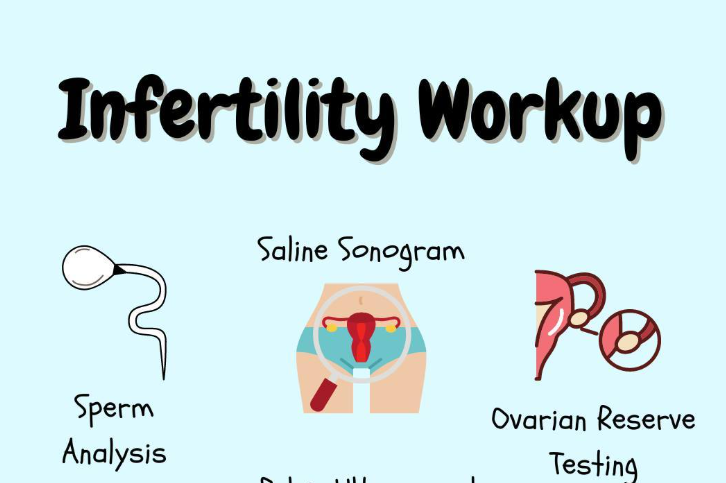
Infertility workup is a comprehensive reproductive health evaluation designed to identify the possible causes of difficulty in conceiving naturally. Many couples experience emotional stress and confusion when pregnancy does not happen despite regular attempts.
A detailed infertility assessment helps fertility specialists understand the underlying reproductive health concerns and recommend the most suitable fertility treatment options. Early diagnosis and timely medical guidance can significantly improve the chances of successful conception and healthy pregnancy outcomes.
Modern infertility workup focuses on evaluating both male and female reproductive health through advanced diagnostic methods, hormonal analysis, imaging tests, and fertility assessments.
What is Infertility Workup?
Infertility workup is a detailed medical assessment performed to identify the reasons behind delayed pregnancy or difficulty in conceiving naturally. Fertility specialists evaluate both partners because infertility can result from male factors, female factors, or combined reproductive health issues.
The evaluation process may include medical history review, physical examination, hormone testing, ovulation assessment, ultrasound imaging, semen analysis, and reproductive system evaluation. Based on the findings, specialists create a personalized fertility treatment plan to improve conception chances.
Who Should Consider an Infertility Workup?
Infertility evaluation may be recommended for:
Couples trying to conceive for more than one year without success
Women above 35 years facing difficulty in pregnancy
Women with irregular menstrual cycles or ovulation problems
Couples with recurrent pregnancy loss
Men with low sperm count or sperm quality concerns
Women diagnosed with PCOS, endometriosis, or hormonal imbalance
Couples with previous reproductive health complications
Individuals planning pregnancy after delayed parenthood
Patients with unexplained infertility concerns
Early fertility assessment can help identify reproductive issues before they become more complex.
Common Causes of Infertility
Several medical and lifestyle factors can affect fertility in men and women. Some common causes include:
Female Fertility Factors
Ovulation disorders
Polycystic Ovary Syndrome (PCOS)
Endometriosis
Blocked fallopian tubes
Hormonal imbalance
Uterine fibroids or abnormalities
Thyroid disorders
Age-related fertility decline
Male Fertility Factors
Low sperm count
Poor sperm motility
Abnormal sperm shape
Hormonal disorders
Varicocele
Lifestyle-related reproductive issues
Infections affecting fertility
Lifestyle Factors Affecting Fertility
Excess stress
Smoking and alcohol consumption
Obesity or low body weight
Poor nutrition
Lack of physical activity
Chronic medical conditions
Understanding these causes helps specialists recommend the most suitable fertility treatment and reproductive care plan.
Step-by-Step Infertility Workup Process A detailed infertility evaluation usually involves several important steps:
1. Medical History Review
Specialists discuss menstrual history, previous pregnancies, medical conditions, lifestyle habits, medications, and reproductive health concerns.
2. Physical Examination
A general health and reproductive system examination may be performed to identify possible fertility-related conditions.
3. Hormonal Testing
Blood tests help evaluate reproductive hormones, thyroid function, ovarian reserve, and ovulation patterns.
4. Ovulation Assessment
Ovulation tracking and hormone monitoring help determine whether regular egg release is occurring.
5. Pelvic Ultrasound
Ultrasound imaging helps assess the uterus, ovaries, and reproductive organs for abnormalities such as cysts, fibroids, or ovarian conditions.
6. Fallopian Tube Evaluation
Specialized imaging tests may be performed to check whether the fallopian tubes are open and functioning properly.
7. Semen Analysis
Male fertility testing evaluates sperm count, sperm movement, and overall sperm quality.
8. Personalized Fertility Planning
After completing the infertility workup, fertility specialists recommend the most appropriate treatment approach based on the diagnosis.
Advanced Diagnostic Tests Used in Infertility Workup
Modern reproductive care may include advanced fertility diagnostic methods such as:
Hormone profile testing
AMH testing for ovarian reserve
Transvaginal ultrasound
Follicular monitoring
Semen analysis
Hysterosalpingography (HSG)
Thyroid function testing
Genetic evaluation in selected cases
Infection screening
These advanced diagnostic techniques help improve accuracy in identifying fertility-related concerns.
Fertility Treatment Options After Infertility Workup
After evaluating the results of infertility assessment, specialists may recommend different fertility treatment options depending on the cause of infertility.
Lifestyle and Nutritional Management
Healthy lifestyle changes, stress reduction, exercise, and balanced nutrition can improve reproductive health naturally.
Ovulation Support Therapy
Fertility medicines may be used to stimulate ovulation and improve egg development.
Hormonal Treatment
Hormonal imbalance treatment helps regulate menstrual cycles and reproductive function.
Intrauterine Insemination (IUI)
IUI treatment may be recommended for selected fertility conditions to improve conception chances.
In Vitro Fertilization (IVF)
Advanced assisted reproductive treatment such as IVF may be suggested for complex infertility conditions.
Male Fertility Treatment
Treatment for sperm-related issues may include medications, lifestyle modifications, or advanced reproductive support.
Benefits of Early Infertility Workup
Early fertility evaluation offers several important benefits:
Identifies reproductive health problems early
Helps create a personalized treatment plan
Improves chances of successful pregnancy
Detects hormonal and ovulation disorders
Supports better reproductive wellness
Reduces emotional stress and uncertainty
Helps couples make informed fertility decisions
Allows timely medical intervention
Proper infertility diagnosis plays an important role in improving treatment success and overall reproductive health.
Diet and Lifestyle Tips to Improve Fertility
Healthy lifestyle habits can positively support fertility treatment outcomes.
Eat a Balanced Diet
Include fresh fruits, vegetables, whole grains, healthy fats, proteins, and fertility-supportive nutrients in daily meals.
Maintain Healthy Body Weight
Both low body weight and excess body weight can affect reproductive hormone balance and fertility.
Stay Physically Active
Regular moderate exercise supports hormonal health and overall wellness.
Reduce Stress
Stress management techniques such as yoga, meditation, and relaxation exercises may improve emotional well-being.
Avoid Smoking and Alcohol
Smoking and excessive alcohol consumption can negatively affect male and female fertility.
Follow Medical Guidance
Regular follow-up with fertility specialists helps monitor reproductive health and treatment progress.
Why Choose Professional Fertility Evaluation?
Professional infertility workup provides accurate diagnosis, expert guidance, advanced fertility testing, and personalized treatment planning. Modern reproductive care centers use advanced medical technology and experienced fertility specialists to improve pregnancy outcomes and reproductive wellness.
A comprehensive fertility assessment not only helps identify infertility causes but also gives couples confidence, emotional support, and clarity during their pregnancy planning journey.
Infertility Workup and Fertility Evaluation for Successful Pregnancy
Early infertility workup can help identify reproductive health concerns and improve the chances of successful pregnancy. Comprehensive fertility assessment, advanced diagnostic methods, and personalized fertility treatment plans provide couples with expert guidance and effective reproductive care support throughout their parenthood journey.