
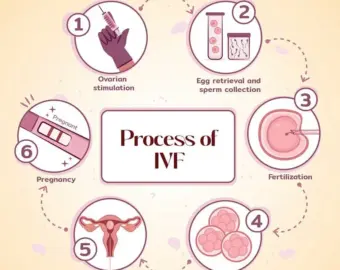
Stepwise fertility treatment planning – Infertility can feel overwhelming; however, with the right guidance and structured planning, you can confidently move forward toward parenthood. Stepwise fertility treatment planning provides a systematic, personalized approach that helps couples understand, diagnose, and treat fertility issues effectively.
Moreover, this approach ensures that doctors use the least invasive and most cost-effective treatments first before progressing to advanced techniques. Therefore, it increases success rates while minimizing emotional and financial stress.
Fertility treatment steps, infertility treatment process, IVF treatment guide, IUI procedure steps, ovulation induction treatment, fertility clinic near me, best IVF center, infertility solutions, pregnancy treatment planning, advanced fertility treatment, fertility specialist consultation, male infertility treatment, female infertility treatment, affordable IVF treatment, fertility diagnosis process, reproductive health treatment, infertility care plan, pregnancy planning treatment, fertility success tips
What is Stepwise Fertility Treatment Planning?
Stepwise fertility treatment planning refers to a structured medical approach where fertility specialists evaluate, diagnose, and treat infertility in gradual stages. Initially, doctors start with basic assessments and lifestyle modifications. Then, they proceed to medications, minimally invasive procedures, and advanced reproductive technologies if required.
As a result, this method ensures personalized care and avoids unnecessary treatments. stepwise fertility treatment planning provides a structured, effective, and patient-friendly approach to infertility. Initially, doctors focus on diagnosis and simple treatments. Then, they gradually move toward advanced techniques only when necessary.
Therefore, this approach not only improves success rates but also reduces stress, cost, and confusion. Most importantly, it gives hope and direction to couples trying to conceive.
Why a Step-by-Step Approach Matters for Successful Pregnancy For Stepwise Fertility Treatment
Stepwise fertility treatment – Firstly, every couple has a unique fertility journey. Therefore, a one-size-fits-all approach does not work. Stepwise planning helps in:
- Identifying the exact cause of infertility
- Avoiding unnecessary expensive treatments
- Reducing physical and emotional burden
- Increasing chances of successful conception
- Providing clear direction and confidence
Additionally, it helps couples stay informed and mentally prepared at every stage.
Reproductive Wellness Consultation and Fertility Review For Fertility Treatment
Stepwise fertility treatment – Step 1: Initial Consultation and Medical History
To begin with, the fertility journey starts with a detailed consultation. During this stage, doctors carefully evaluate:
Menstrual cycle history
Previous pregnancies or miscarriages
Sexual health
Lifestyle habits (smoking, alcohol, stress)
Medical conditions (PCOS, thyroid issues, diabetes)
Meanwhile, both partners undergo assessment because infertility can affect either or both individuals.
Essential Fertility Testing and Reproductive Evaluation For Fertility Treatment
Stepwise fertility treatment –Step 2: Basic Fertility Testing
After the initial consultation, doctors recommend essential diagnostic tests. These tests help identify underlying issues quickly.
For Women:
Hormone testing (FSH, LH, AMH, TSH)
Ultrasound scan
Ovulation tracking
Fallopian tube testing (HSG test)
For Men:
Semen analysis
Hormonal evaluation
Physical examination
Consequently, these tests provide a clear diagnosis and guide further treatment decisions.
Fertility Optimization Through Healthy Lifestyle Habits For Fertility Treatment
Stepwise fertility treatment – Step 3: Lifestyle Modifications and Natural Optimization
Before starting medical treatments, doctors often recommend natural improvements. Although this step may seem simple, it significantly improves fertility outcomes.
Key Changes Include:
Maintaining a healthy weight
Eating a balanced diet
Reducing stress
Avoiding smoking and alcohol
Regular exercise
Furthermore, doctors may suggest ovulation tracking and timed intercourse to maximize natural conception chances.
Ovulation Support Therapy for Conception Success For Fertility Treatment
Stepwise fertility treatment – Step 4: Ovulation Induction
If natural methods do not work, doctors move to ovulation induction. In this stage, medications help stimulate egg production.
Common Medications:
Clomiphene citrate
Letrozole
Hormonal injections
As a result, this step increases the chances of ovulation and improves pregnancy probability.
Assisted Conception Through IUI Procedure For Fertility Treatment
Stepwise fertility treatment planning – Step 5: Intrauterine Insemination (IUI)
If ovulation induction alone does not lead to pregnancy, doctors may recommend IUI.
How IUI Works:
Doctors collect and process sperm
Then, they directly place it into the uterus during ovulation
Therefore, this method improves fertilization chances by reducing the distance sperm must travel.
Ideal for:
Mild male infertility
Unexplained infertility
Cervical issues
Moreover, IUI is less invasive and more affordable than advanced treatments.
Key Influences on Reproductive Health Outcomes For Stepwise Fertility Treatment
Stepwise fertility treatment planning – Although treatment plays a key role, several factors influence success:
- Age (younger patients have higher success rates)
- Overall health
- Timely diagnosis
- Quality of eggs and sperm
- Clinic expertise
Therefore, early consultation always improves outcomes.
Importance of Organized Reproductive Health Management
Stepwise fertility treatment planning offers multiple advantages:
- Cost-effective approach
- Gradual progression reduces stress
- Avoids unnecessary procedures
- Improves treatment success rates
- Builds confidence and clarity
Additionally, it empowers couples with knowledge and realistic expectations.
When Should You Consult a Fertility Specialist ?
Stepwise fertility treatment planning – You should seek medical help if:
- You are trying to conceive for 1 year (below 35 years)
- You are trying for 6 months (above 35 years)
- You have irregular periods
- You have known medical conditions like PCOS or endometriosis
- There is male infertility concern
Therefore, early diagnosis saves time and increases success chances.
Common Myths About Fertility Treatment For Stepwise Fertility Treatment Planning
Stepwise fertility treatment planning –
Myth 1: IVF is the only solution
However, many couples conceive with simple treatments like medication or IUI.
Myth 2: Infertility is always a female issue
In reality, male factors contribute equally.
Myth 3: Fertility treatments always fail
On the contrary, success rates improve significantly with proper planning
FAQs on Stepwise Fertility Treatment
1. How long does fertility treatment take?
➤ The duration varies; however, most treatments take a few months to a year depending on the condition.
2. Is fertility treatment painful?
➤ Generally, most procedures are minimally invasive and cause little discomfort.
3. What is the success rate of IVF?
➤ Success rates depend on age and health; however, they typically range between 40% to 60%.
4. Can lifestyle changes improve fertility?
➤ Yes, healthy habits significantly improve natural conception chances.
5. Is IUI better than IVF?
➤ IUI is simpler and cheaper; however, IVF offers higher success rates for complex cases.