
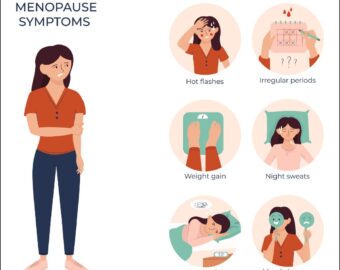
Menopause symptom management – Menopause is a natural phase in a woman’s life; however, the symptoms can significantly affect daily comfort, overall health, and emotional well-being. Therefore, effective menopause symptom management focuses on reducing discomfort, restoring hormonal balance, and improving quality of life through a combination of medical treatments, lifestyle changes, and holistic approaches.
Menopause is a natural transition; however, you can manage its symptoms effectively with the right treatment approach. For instance, from hormone therapy and medications to lifestyle changes and natural remedies, multiple options are available that help reduce discomfort and improve overall well-being.
Therefore, it is important to focus on a balanced lifestyle, seek medical guidance when needed, and also adopt holistic practices to navigate menopause confidently. In addition, with proper care and continuous support, you can maintain a healthy, happy, and fulfilling life during and after menopause
What Is Menopause And Symptom During Menopause ?
Menopause marks the end of menstrual cycles and fertility, usually occurring between the ages of 45 and 55. In addition, it happens when the ovaries gradually stop producing hormones such as estrogen and progesterone.
Furthermore, doctors confirm menopause after 12 consecutive months without a menstrual period. Meanwhile, the transition phase, known as perimenopause, can begin years earlier and, as a result, often brings noticeable symptoms.
Common Menopause Symptoms Management
- Hot flashes and night sweats
- Mood swings and irritability
- Vaginal dryness
- Sleep disturbances
- Weight gain
- Reduced libido
- Joint pain and muscle stiffness
- Memory and concentration issues
Therefore, proper treatment mainly focuses on managing these symptoms effectively and improving overall quality of life.
Hormone Replacement Therapy (HRT) For Menopause symptom Management
Hormone Replacement Therapy (HRT) is one of the most effective treatments for menopause symptoms. Essentially, it replaces the hormones that the body no longer produces after menopause.
Benefits of HRT
HRT offers several important benefits. For example, it can:
Reduce hot flashes and night sweats
Improve sleep quality
Enhance mood stability
Prevent bone loss and reduce the risk of osteoporosis
Relieve vaginal dryness
As a result, many women experience significant improvement in their daily comfort and overall well-being.
Types of HRT
Doctors recommend different types of HRT depending on a woman’s medical history and reproductive organs.
Estrogen-only therapy – usually recommended for women who have had a hysterectomy
Combined estrogen-progesterone therapy – generally advised for women who still have a uterus
Therefore, choosing the right type of therapy is important for both safety and effectiveness.
Forms of HRT
HRT is available in multiple forms. Consequently, women can choose an option that best suits their lifestyle and medical needs.
Tablets
Skin patches
Gels or sprays
Vaginal creams or rings
Risks of HRT
Although HRT is highly effective, doctors carefully evaluate each patient before recommending it. In some cases, potential risks may include:
Blood clots
Breast cancer with long-term use
Stroke in rare cases
Therefore, it is essential to consult a qualified healthcare provider before starting Hormone Replacement Therapy.
Non-Hormonal Medical Treatments For Menopause symptom Management
Not all women prefer or qualify for Hormone Replacement Therapy (HRT). Therefore, non-hormonal treatments offer effective alternatives for managing menopause symptoms.
1. Antidepressants (SSRIs & SNRIs)
In some cases, doctors prescribe low doses of antidepressants to help reduce hot flashes and improve mood. Additionally, these medications may help manage anxiety, irritability, and sleep disturbances associated with menopause.
2. Gabapentin
Gabapentin is another effective option that helps control hot flashes, especially during the night. As a result, many women experience better sleep quality and reduced nighttime discomfort.
3. Clonidine
Clonidine can also help reduce hot flashes while supporting blood pressure management. Therefore, it may be beneficial for women who experience both menopause symptoms and high blood pressure.
Lifestyle Changes for Menopause Symptom
Lifestyle adjustments play a major role in managing menopause naturally. In fact, healthy daily habits can significantly reduce symptoms and improve overall well-being.
1. Healthy Diet
A balanced diet supports hormonal balance, strengthens the body, and improves overall health during menopause.
Include:
Calcium-rich foods such as milk, yogurt, and leafy greens
Protein sources like lentils, eggs, and fish
Whole grains
Fresh fruits and vegetables
Avoid:
Spicy foods
Excess caffeine
Alcohol
As a result, maintaining a nutritious diet can help improve energy levels, bone health, and hormonal stability.
2. Regular Exercise
Regular exercise improves both physical and mental health. Moreover, it helps women stay active and maintain a healthy weight during menopause.
Benefits of Exercise:
Reduces weight gain
Improves mood
Strengthens bones
Enhances sleep quality
Best Activities:
Walking
Yoga
Strength training
Swimming
Therefore, staying physically active can greatly improve menopause symptom management.
3. Stress Management
Stress can worsen menopause symptoms, including mood swings, sleep problems, and hot flashes. Hence, managing stress effectively is very important.
Helpful Stress Management Techniques:
Meditation
Deep breathing exercises
Mindfulness practices
Relaxation techniques
In addition, practicing these techniques regularly can promote emotional balance and improve mental well-being during menopause.
Natural Remedies for Menopause
Many women choose natural treatments to manage menopause symptoms. In addition, these therapies may help improve overall well-being and support hormonal balance naturally.
1. Herbal Supplements
Several herbal supplements are commonly used to reduce menopause symptoms.
Popular Herbs Include:
Ashwagandha
Black cohosh
Red clover
Evening primrose oil
These herbs may help reduce hot flashes, mood swings, and sleep disturbances. However, results can vary from person to person.
Note: Always consult a healthcare provider before using herbal supplements, especially if you have existing medical conditions or take regular medications.
2. Phytoestrogens
Phytoestrogens are plant-based compounds that mimic estrogen in the body. Therefore, they may help reduce hormonal imbalance symptoms during menopause.
Common Sources of Phytoestrogens:
Soy products
Flaxseeds
Chickpeas
Including these foods in your daily diet may support hormonal health naturally.
3. Ayurvedic Treatment
Ayurveda focuses on balancing the body’s natural energies and improving overall wellness. As a result, many women use Ayurvedic therapies for menopause symptom management.
Ayurvedic Treatments Include:
Herbal medicines
Panchakarma therapy
Dietary adjustments
Furthermore, Ayurvedic practices often combine natural remedies, healthy eating, and stress management techniques to support long-term health.
Vaginal and Sexual Health Treatment For Menopause
Menopause often affects vaginal and sexual health due to declining hormone levels. As a result, many women experience discomfort and changes in intimate wellness during this stage of life.
Common Issues
Some of the most common vaginal and sexual health concerns during menopause include:
Vaginal dryness
Pain during intercourse
Reduced libido
In addition, these symptoms can affect emotional well-being, relationships, and overall quality of life.
Treatments
Fortunately, several effective treatments are available to improve comfort and restore vaginal health.
Vaginal Estrogen Creams
Doctors may recommend vaginal estrogen creams to improve moisture, elasticity, and vaginal tissue health. Therefore, these treatments can help reduce dryness and discomfort.
Lubricants and Moisturizers
Lubricants and vaginal moisturizers provide immediate relief from dryness and pain during intercourse. Moreover, they are easy to use and widely available.
Laser Therapy
In some cases, doctors may suggest laser therapy to improve vaginal tissue health and reduce symptoms naturally. However, this treatment is usually recommended after proper medical evaluation.
As a result, these treatments can significantly improve comfort, confidence, and sexual well-being during menopause.
Sleep Management In Menopause
Sleep problems are common during menopause and can negatively affect energy levels, mood, and overall health. Therefore, maintaining healthy sleep habits is essential for better physical and emotional well-being.
Tips for Better Sleep
Several lifestyle changes can help improve sleep quality during menopause:
Maintain a regular sleep schedule
Avoid screens before bedtime
Keep the bedroom cool and comfortable
Practice relaxation techniques before sleeping
In addition, activities such as meditation, deep breathing, and gentle yoga may help calm the mind and promote restful sleep.
However, if sleep disturbances become severe or persistent, doctors may prescribe sleep aids or recommend additional treatments based on individual needs.
Bone Health and Osteoporosis Prevention
Declining estrogen levels during menopause can weaken bones and increase the risk of fractures. Therefore, maintaining strong bone health becomes especially important during and after menopause.
Prevention Tips
Several healthy habits can help protect bones and reduce the risk of osteoporosis:
Consume adequate calcium and vitamin D
Perform regular weight-bearing exercises
Avoid smoking and excessive alcohol consumption
In addition, activities such as walking, strength training, and yoga can help improve bone density and overall physical strength.
Medical Treatment
In some cases, doctors may recommend medical treatment to support bone health and prevent further bone loss.
Common Treatments Include:
Calcium supplements
Vitamin D tablets
Bone-strengthening medications
As a result, early prevention and proper treatment can help maintain bone strength, improve mobility, and lower the risk of fractures during menopause.
Mental Health and Emotional Well-being For Menopause symptom
Hormonal changes during menopause can significantly impact mental and emotional health. As a result, many women experience emotional fluctuations that may affect daily life and relationships.
Common Issues
Some of the most common mental health concerns during menopause include:
Anxiety
Depression
Mood swings
In addition, stress, sleep disturbances, and physical discomfort can further worsen emotional symptoms.
Management
Fortunately, several effective strategies can help manage emotional and mental health during menopause.
Counseling or Therapy
Professional counseling or therapy can help women cope with emotional challenges, stress, and mood-related symptoms more effectively.
Support Groups
Joining support groups allows women to share experiences, gain emotional support, and feel less isolated during menopause.
Meditation and Yoga
Meditation, yoga, and mindfulness practices help reduce stress, improve relaxation, and support emotional balance.
Medication In some cases, doctors may recommend medication to manage anxiety, depression, or severe mood swings when necessary.
Therefore, maintaining emotional health is essential for overall well-being and can greatly improve quality of life during menopause.
Weight Management During Menopause
Weight gain is common during menopause due to hormonal changes and a slower metabolism. As a result, many women notice increased body fat, especially around the abdomen.
Tips to Control Weight
Fortunately, healthy lifestyle habits can help manage weight effectively during menopause.
Eat smaller, frequent meals throughout the day
Avoid processed and high-sugar foods
Increase protein intake to support metabolism and muscle health
Stay physically active with regular exercise
In addition, combining a balanced diet with activities such as walking, yoga, and strength training can improve overall fitness and energy levels.
Therefore, maintaining consistent healthy habits is essential for controlling weight and supporting long-term well-being during menopause.
Skin and Hair Care In Menopause symptom
Menopause can affect skin elasticity and hair health due to declining estrogen levels. As a result, many women notice visible changes in their skin texture and hair quality during this phase.
Common Changes
Some of the most common skin and hair concerns during menopause include:
Dry skin
Wrinkles and reduced skin elasticity
Hair thinning
In addition, hormonal changes may also lead to dull skin and increased hair fall.
Solutions
Fortunately, several healthy practices can help improve skin and hair health during menopause.
Use hydrating skincare products regularly
Stay hydrated by drinking enough water
Take biotin and collagen supplements if recommended by a doctor
Follow a balanced diet rich in vitamins, minerals, and proteins
Furthermore, consuming nutrient-rich foods and maintaining a healthy lifestyle can support stronger hair and healthier skin naturally.
Alternative Therapies In Menopause symptom
Some women also explore alternative therapies to manage menopause symptoms naturally. In addition, these treatments may help improve relaxation, emotional balance, and overall well-being.
1. Acupuncture
Acupuncture is a traditional therapy that may help reduce hot flashes, improve sleep quality, and promote relaxation. As a result, some women experience better symptom control and reduced stress levels.
2. Yoga and Pranayama
Yoga and pranayama help balance the body, improve flexibility, and reduce emotional stress during menopause.
Benefits of Yoga and Pranayama:
Improves flexibility
Enhances mental clarity
Reduces anxiety and stress
Furthermore, regular practice can support better sleep, emotional stability, and overall physical health.
3. Aromatherapy
Aromatherapy uses essential oils to promote relaxation and mental well-being. For example, oils such as lavender and peppermint may help reduce stress, improve mood, and support restful sleep.
Therefore, incorporating alternative therapies into a healthy lifestyle may provide additional comfort and emotional support during menopause.