
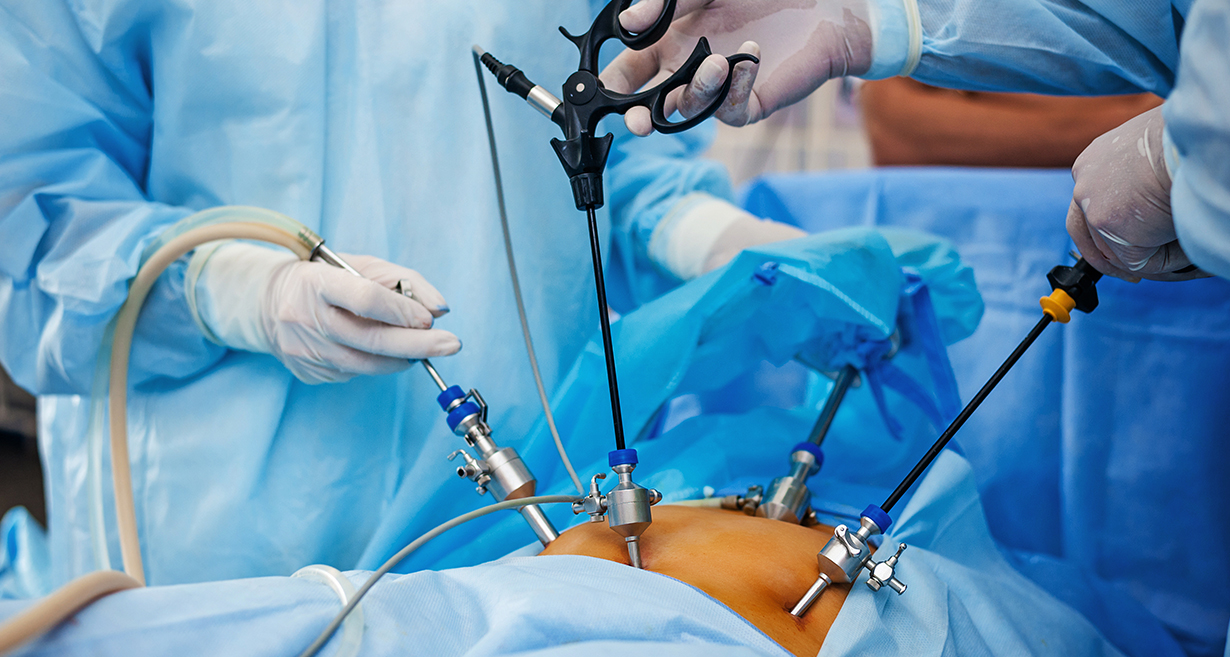
Laparoscopy: simple meaning
Laparoscopy (also called keyhole surgery) is a modern method of doing surgery using 2–4 small cuts. A thin camera helps us see clearly inside the abdomen/pelvis and operate using fine instruments. Compared with open surgery, it often allows faster recovery and less pain.
Who may need laparoscopy in gynecology?
You may be advised laparoscopy when symptoms or scan findings suggest conditions that commonly benefit from minimally invasive surgery, such as:
- Ovarian cysts (especially persistent/large/painful)
- Fibroids causing heavy bleeding, pressure, anemia, or fertility issues (selected cases)
- Endometriosis (severe period pain, pelvic pain, infertility—selected cases)
- Ectopic pregnancy (pregnancy in the tube)
- Tubal problems / certain fertility evaluations
- Chronic pelvic pain not explained by basic tests
- Hysterectomy or other pelvic surgeries in suitable candidates
Benefits (why many patients prefer it)
For many appropriate cases, laparoscopy can mean:
- Smaller scars
- Less pain after surgery
- Less bleeding
- Shorter hospital stay
- Faster return to routine activities
Risks / limitations (honest and important)
Laparoscopy is generally safe, but like any surgery it can rarely involve:
- Bleeding or infection
- Injury to nearby organs (bowel/bladder/blood vessels)
- Need to convert to open surgery if it becomes safer during the procedure
- Anesthesia-related risks
What to expect: step-by-step
1) Consultation & decision: We review symptoms, examine, and check ultrasound/report history. Sometimes medicines/observation is better than surgery.
2) Pre-surgery tests: Usually blood/urine tests, ultrasound, and anesthesia fitness. Additional tests depend on age and medical conditions.
3) Hospital stay: Often 1 day, sometimes 1–2 days depending on procedure and recovery.
4) After surgery: Walking usually same day/next day; eating same day/next morning (as advised). Shoulder pain can happen for 1–2 days because of the gas used; it settles on its own.
Recovery timeline (common)
- Light activity: 3–5 days
- Routine work: 7–14 days
- Heavy exercise/weights: 3–6 weeks (procedure-dependent)
When should you consult early?
If you have severe period pain affecting daily life, heavy bleeding/clots or anemia symptoms (fatigue, weakness), persistent pelvic pain, or a known cyst/fibroid on scan with symptoms—early evaluation often prevents prolonged suffering and unnecessary anxiety.
Related reading (internal links)
- Infertility evaluation (male + female): /infertility-evaluation-nagpur
- Cosmetic gynecology safety guide: /cosmetic-gynecology-nagpur