
What is Antenatal Care?
Importance of Antenatal Care During Pregnancy
Regular antenatal checkups provide numerous benefits for both mother and baby. These visits allow healthcare providers to monitor pregnancy progress and ensure that the baby is developing properly.
Some key benefits include:
Early Detection of Health Issues
Antenatal visits help detect medical conditions such as gestational diabetes, high blood pressure, anemia, or infections early. Early diagnosis helps doctors manage these conditions effectively.
Monitoring Baby’s Growth
Ultrasound scans and physical examinations help track the baby’s development and ensure proper growth inside the womb.
Guidance for a Healthy Pregnancy
Expecting mothers receive valuable advice on diet, exercise, lifestyle changes, and pregnancy precautions.
Emotional and Psychological Support
Pregnancy often brings emotional changes. Antenatal visits provide reassurance, counseling, and support during this phase.
Preparation for Safe Delivery
Doctors guide mothers about labor signs, delivery options, and hospital planning to ensure a smooth childbirth experience.
Antenatal Checkup Schedule
Regular visits with your doctor are essential during pregnancy. The frequency of antenatal checkups may vary depending on the stage of pregnancy and the mother’s health condition.
First Trimester (0–12 Weeks)
During the first trimester, the doctor confirms pregnancy and evaluates the mother’s overall health.
Common assessments include:
Pregnancy confirmation test
Blood pressure measurement
Blood tests
Urine analysis
Ultrasound scan
Medical history evaluation
Nutritional advice
Folic acid supplementation
This stage is crucial for identifying any early pregnancy risks.
Second Trimester (13–28 Weeks)
The second trimester is often considered the most comfortable phase of pregnancy. Regular checkups help monitor the baby’s growth and ensure that pregnancy is progressing normally.
Tests and assessments may include:
Routine blood pressure monitoring
Weight tracking
Fetal heartbeat monitoring
Ultrasound scans
Screening for gestational diabetes
Anomaly scan to detect structural abnormalities
Nutritional counseling
Doctors also guide mothers about physical activity, prenatal exercises, and maintaining a balanced diet.
Third Trimester (29–40 Weeks)
The third trimester focuses on preparing for delivery and monitoring the baby’s position and growth.
Important aspects of third trimester care include:
Frequent antenatal visits
Monitoring fetal movements
Ultrasound scans
Blood pressure and weight monitoring
Screening for pregnancy complications
Guidance for labor and delivery
Birth planning
These visits ensure that the baby is ready for birth and that the mother remains healthy until delivery.
Key Components of Antenatal Care
Antenatal care involves several important medical evaluations and preventive measures to ensure a safe pregnancy.
Physical Examination
During each visit, the doctor checks vital signs such as blood pressure, weight, and abdominal growth. These examinations help monitor pregnancy progress.
Ultrasound Scans
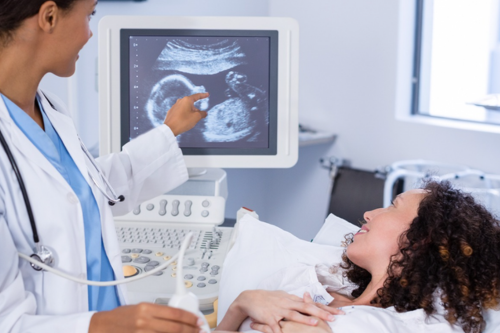
Ultrasound imaging allows doctors to observe the baby’s development, heartbeat, and movement. It also helps detect abnormalities early.
Blood Tests
Blood tests help identify anemia, infections, blood group compatibility, and other medical conditions.
Urine Tests
Urine tests detect infections, protein levels, and signs of gestational diabetes.
Nutritional Counseling
Proper nutrition is essential for healthy fetal development. Doctors guide mothers on essential vitamins, minerals, and balanced diets.
Vaccinations
Certain vaccines are recommended during pregnancy to protect both mother and baby from infections.
Nutrition and Lifestyle During Pregnancy
Maintaining a healthy lifestyle is essential for a safe and comfortable pregnancy. Antenatal care includes guidance on diet, exercise, and daily habits.
Healthy Pregnancy Diet
A balanced diet should include:
Fresh fruits and vegetables
Whole grains
Protein-rich foods
Dairy products
Iron and calcium supplements
Hydration is also important during pregnancy.
Safe Physical Activity
Regular light exercise improves circulation and strengthens muscles for childbirth. Doctors often recommend:
Prenatal yoga
Walking
Stretching exercises
Always consult your doctor before starting any exercise routine.
Adequate Rest
Pregnant women should get sufficient sleep and avoid excessive stress.
Avoid Harmful Substances
Alcohol, smoking, and certain medications should be avoided during pregnancy.
Common Pregnancy Symptoms Managed During Antenatal Careifestyle During Pregnancy
Many women experience physical changes during pregnancy. Regular antenatal checkups help manage these symptoms effectively.
Common symptoms include:
Morning sickness
Fatigue
Back pain
Swelling in feet
Heartburn
Mood changes
Doctors provide safe treatments and lifestyle recommendations to manage these symptoms.