
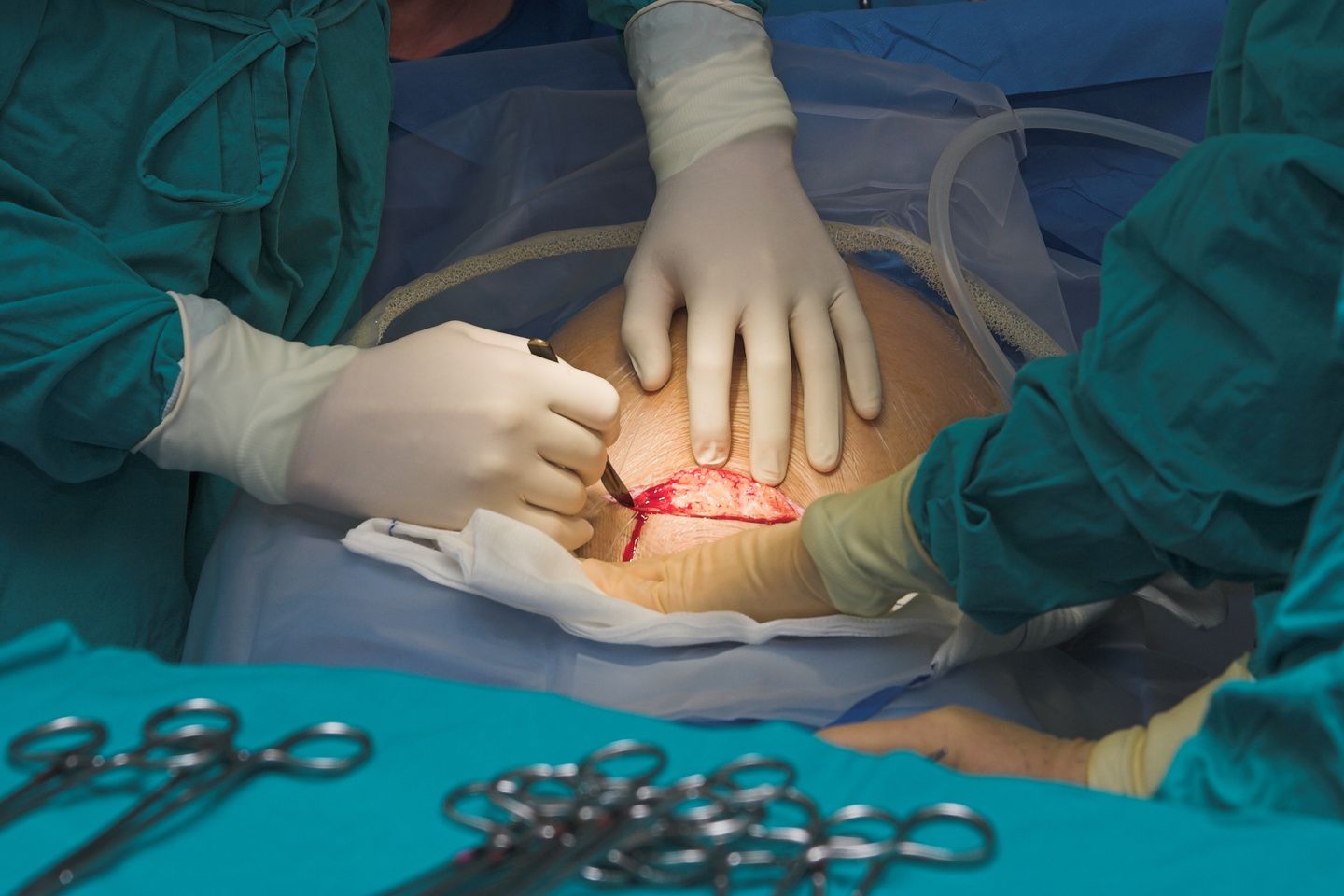
What is a Caesarean Section?
When is a C-Section Required?
Although many women prefer normal delivery, certain medical conditions require a C-section for safety reasons. Therefore, doctors recommend this procedure in the following situations:
1. Fetal Distress
If the baby shows signs of distress, doctors immediately perform a C-section to ensure safety.
2. Prolonged or Failed Labor
When labor does not progress even after medical support, doctors choose surgical delivery.
3. Multiple Pregnancies
In cases of twins or triplets, doctors often recommend a C-section for better control.
4. Placenta Issues
If the placenta blocks the cervix (placenta previa), vaginal delivery becomes unsafe.
5. Previous C-Section
If a mother has undergone a previous C-section, doctors may suggest a repeat procedure.
6. Breech Position
When the baby is not in the head-down position, a C-section ensures safe delivery.
7. Medical Conditions
Conditions like high blood pressure, diabetes, or infections may require surgical delivery.
Thus, while natural birth is ideal, a C-section becomes essential in many cases to protect both lives.
Types of Caesarean Section
Understanding the types of C-sections helps you feel more prepared. Therefore, here are the main types:
1. Planned (Elective) C-Section
Doctors schedule this procedure in advance based on medical conditions.
2. Emergency C-Section
Doctors perform this procedure immediately when complications arise during labor.
3. Lower Segment C-Section (LSCS)
This is the most common and safest type, involving a horizontal incision.
4. Classical C-Section
Although rare, this involves a vertical incision and is used in specific cases.
Procedure of Caesarean Section
Understanding the process reduces fear and builds confidence. Therefore, here is a step-by-step overview:
Before Surgery
First, doctors perform necessary tests and evaluations. Then, they administer anesthesia (usually spinal or epidural). As a result, the mother remains awake but pain-free.
During Surgery
Next, the surgeon makes a small incision in the abdomen and uterus. After that, the baby is gently delivered. Immediately afterward, the doctor cuts the umbilical cord and hands the baby to the pediatric team.
After Delivery
Finally, the surgeon closes the incisions carefully. Meanwhile, medical staff monitor the mother closely.
Thus, the entire procedure usually takes 30 to 60 minutes.
Benefits of Caesarean Section
Although it is a surgical procedure, a C-section offers several advantages. For instance:
- It ensures safety in high-risk pregnancies
- It prevents complications during difficult labor
- It reduces the risk of birth injuries
- It allows planned delivery in certain cases
- It provides better control for doctors
Therefore, in many situations, it becomes the safest option.
Recovery After C-Section
Recovery plays a crucial role in overall health. Therefore, proper care is essential.
Immediate Recovery
Initially, the mother stays in the hospital for 2–4 days. During this time, doctors monitor vital signs and healing.
At Home Care
After discharge, mothers should:
- Take adequate rest
- Avoid heavy lifting
- Maintain proper hygiene
- Follow medication instructions
- Attend follow-up visits
Healing Time
Generally, full recovery takes 4 to 6 weeks. However, recovery speed varies from person to person.
Diet After Caesarean Section
A healthy diet speeds up recovery. Therefore, include the following:
Recommended Foods:
- Protein-rich foods (dal, eggs, chicken)
- Iron-rich foods (green leafy vegetables)
- Fiber-rich foods (fruits, whole grains)
Plenty of water
Foods to Avoid:
- Oily and spicy food
- Processed food
- Excess caffeine
Thus, a balanced diet promotes faster healing.