
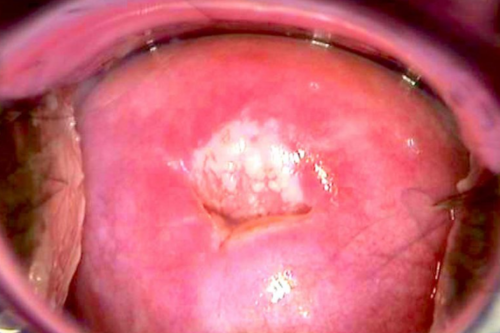
What is Cervical Cancer Screening?
Cervical cancer screening refers to medical tests used to detect abnormal cells in the cervix, which is the lower part of the uterus connecting to the vagina. These abnormal cells may develop into cancer if they remain untreated for a long period.
Screening tests help identify early cellular changes before symptoms appear. Doctors can treat these abnormal cells effectively during the early stages. Therefore, routine screening plays a crucial role in preventing cervical cancer.
Dr. Meenakshi Charaya Khobragade focuses on preventive healthcare by offering reliable and accurate screening techniques for early detection. Through proper evaluation and timely intervention, women can protect their health and avoid serious complications.
Why Cervical Cancer Screening is Important
Many women with early cervical abnormalities do not experience noticeable symptoms. As a result, regular screening becomes extremely important for early diagnosis.
Key benefits of cervical cancer screening include:
• Early detection of precancerous changes
• Prevention of cervical cancer development
• Detection of HPV-related cervical abnormalities
• Early treatment with better outcomes
• Improved long-term reproductive health
• Reduced risk of advanced cancer complications
Regular screening helps doctors monitor cervical health and identify potential risks before they become dangerous.
Types of Cervical Cancer Screening Tests
Pap Smear Test
The Pap smear test is one of the most widely used and effective screening methods for cervical cancer detection. It involves collecting a small sample of cells from the cervix and examining them under a microscope to detect abnormal changes.
How Pap Smear Works
During the test, the doctor gently collects cervical cells using a small brush or spatula. The collected cells are sent to a laboratory for detailed analysis. Specialists examine the cells to check for infections, inflammation, precancerous changes, or cancerous cells.
Advantages of Pap Smear Screening
Pap smear testing offers several benefits:
• Detects abnormal cervical cells early
• Identifies precancerous conditions
• Helps detect HPV-related changes
• Safe and painless procedure
• Quick and reliable results
Women between the ages of 21 and 65 are generally advised to undergo regular Pap smear screening as part of routine gynecological care.
VIA Test (Visual Inspection with Acetic Acid)
The VIA test is a simple, cost-effective, and quick screening method used to identify abnormal areas on the cervix. It is especially useful in community healthcare settings and for early detection programs.
How VIA Screening is Performed
During the VIA procedure, the doctor applies a mild acetic acid (vinegar) solution to the cervix. If abnormal cells are present, they temporarily turn white and become visible to the doctor during examination.
Benefits of VIA Screening
The VIA test offers several advantages:
• Immediate visual results
• Quick and simple procedure
• Affordable screening option
• Suitable for large-scale screening programs
• Effective for early detection in resource-limited settings
Although VIA is a preliminary screening method, it helps doctors identify patients who may require further evaluation through colposcopy.
Colposcopy Examination
Colposcopy is a specialized diagnostic procedure used to examine the cervix in detail when screening tests show abnormal results.
Dr. Meenakshi Charaya Khobragade uses advanced colposcopy techniques to closely evaluate suspicious cervical areas and confirm the presence of abnormal cells.
What Happens During Colposcopy
A colposcope is a specialized magnifying instrument that allows doctors to examine the cervix under strong illumination. The procedure helps identify abnormal tissue areas that may require biopsy or treatment.
During colposcopy:
• The cervix is examined using a magnifying device
• Special solutions are applied to highlight abnormal cells
• Suspicious areas are identified for further evaluation
• A biopsy may be taken if required
Benefits of Colposcopy
Colposcopy provides detailed evaluation and helps in accurate diagnosis.
Advantages include:
• High magnification of cervical tissue
• Accurate identification of abnormal areas
• Guided biopsy for precise diagnosis
• Early detection of precancerous lesions
This procedure plays an important role in confirming abnormal screening results and guiding treatment decisions.