
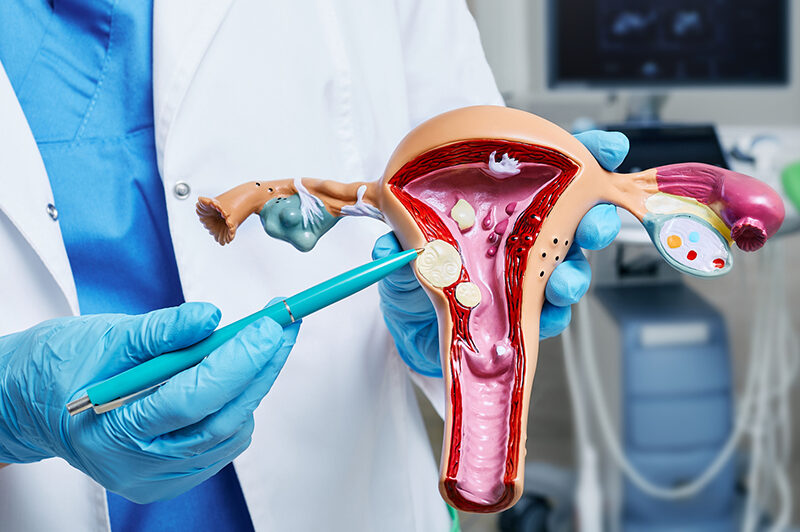
Fibroid removal planning plays a vital role in ensuring successful treatment and long-term health. Although fibroids are common, timely diagnosis and proper planning prevent complications. Therefore, always consult a qualified specialist, discuss your symptoms, and choose the best treatment option.
Fibroid removal planning -Uterine fibroids affect millions of women worldwide; however, many women still feel confused about the right treatment approach. Therefore, proper fibroid removal planning becomes essential for achieving safe, effective, and long-term results. Fibroids, which are non-cancerous growths in the uterus, can cause symptoms such as heavy bleeding, pelvic pain, and fertility issues. Although some fibroids remain asymptomatic, others require timely medical attention.
What Are Uterine Fibroids And Its Planning ?
Fibroid removal planning-Uterine fibroids, also known as leiomyomas, develop from the muscle tissue of the uterus. Generally, these growths vary in size, number, and location. While some fibroids remain small, others grow large enough to distort the uterus.
Types of Fibroids
- Intramural Fibroids – These grow within the uterine wall.
- Subserosal Fibroids – These develop on the outer surface of the uterus.
- Submucosal Fibroids – These grow inside the uterine cavity.
- Pedunculated Fibroids – These attach to the uterus through a stalk.
Although each type behaves differently, proper evaluation helps determine the best removal strategy. With the right approach, you can achieve relief from symptoms, improve your quality of life, and protect your reproductive health. Moreover, modern medical advancements now offer safe, effective, and minimally invasive solutions for fibroid removal.
Why Proper Treatment Preparation Matters for Uterine Growths ?
Fibroid removal planning plays a crucial role because every patient’s condition differs. Therefore, doctors customize treatment plans based on symptoms, age, fertility goals, and fibroid size.
Key Reasons for Planning
- First of all, it ensures accurate diagnosis.
- Secondly, it helps select the most suitable treatment.
- Additionally, it reduces surgical risks.
- Moreover, it improves recovery outcomes.
- Finally, it supports fertility preservation when needed.
Without proper planning, patients may face complications or incomplete treatment.
Warning Signs of Uterine Growths Requiring Medical Attention
Fibroid removal planning -Although some fibroids do not cause symptoms, many women experience noticeable discomfort. Therefore, you should seek medical evaluation if you notice:
- Heavy or prolonged menstrual bleeding
- Pelvic pressure or pain
- Frequent urination
- Constipation
- Pain during intercourse
- Infertility or pregnancy complications
If these symptoms persist, doctors usually recommend fibroid removal planning.
Essential Tests Before Fibroid Removal Procedures
Fibroid removal planning -Before planning treatment, doctors perform detailed diagnostic tests. Consequently, these tests help determine fibroid size, location, and number.
Common Diagnostic Methods
- Ultrasound Scan – First-line imaging for detecting fibroids
- MRI Scan – Provides detailed visualization
- Hysteroscopy – Examines the uterine cavity
- Blood Tests – Check for anemia due to heavy bleeding
After diagnosis, doctors create a personalized treatment plan.
Advanced Gynecological Procedures for Fibroids
Fibroid removal planning involves selecting the most appropriate treatment. While some patients benefit from medication, others require surgical intervention.
1. Medication Management
Initially, doctors may prescribe medications to control symptoms.
- Hormonal therapy reduces fibroid growth
- Pain relievers manage discomfort
- Iron supplements treat anemia
However, medication does not permanently remove fibroids.
2. Minimally Invasive Procedures
In many cases, doctors recommend minimally invasive techniques because they offer faster recovery and fewer complications.
a) Laparoscopic Myomectomy
Surgeons remove fibroids through small incisions. Therefore, patients experience less pain and quicker healing.
b) Hysteroscopic Myomectomy
Doctors remove fibroids inside the uterus without external cuts. Consequently, this method suits submucosal fibroids.
c) Uterine Artery Embolization (UAE)
Doctors block blood supply to fibroids, causing them to shrink. As a result, symptoms improve significantly.
3. Surgical Treatment
When fibroids grow large or cause severe symptoms, surgery becomes necessary.
a) Myomectomy
Doctors remove fibroids while preserving the uterus. Therefore, this option suits women planning pregnancy.
b) Hysterectomy
Doctors remove the uterus completely. Although this provides a permanent solution, it eliminates future pregnancy options.
Key Points Evaluated Before Gynecological Procedures
Fibroid removal planning -Doctors consider several factors before finalizing treatment. Consequently, personalized care improves success rates.
Important Factors
- Patient’s age
- Severity of symptoms
- Size and number of fibroids
- Location of fibroids
- Desire for future pregnancy
- Overall health condition
Because each factor plays a role, treatment varies for every patient.
Important Guidelines Before Fibroid Procedures
Fibroid removal planning -Proper preparation ensures smooth surgery and faster recovery. Therefore, patients must follow medical advice carefully.
Preparation Steps
- First, complete all diagnostic tests
- Then, follow dietary guidelines
- Avoid certain medications as advised
- Maintain proper hydration
- Arrange post-surgery care support
Additionally, doctors may prescribe medications to shrink fibroids before surgery.
What to Expect During Fibroid Removal ?
Fibroid removal planning -Understanding the procedure reduces anxiety. Therefore, doctors explain each step in detail.
During the Procedure
- Doctors administer anesthesia
- Surgeons remove fibroids using selected technique
- Procedure duration varies based on complexity
- Patients remain under monitoring throughout
After the procedure, patients move to recovery for observation.
Recovery After Fibroid Removal
Fibroid removal planning -Recovery depends on the type of procedure. However, proper care speeds up healing.
Recovery Timeline
- Minimally invasive procedures: 1–2 weeks
- Open surgery: 4–6 weeks
Post-Treatment Care
- Take prescribed medications regularly
- Avoid heavy lifting initially
- Follow a healthy diet
- Attend follow-up appointments
- Monitor symptoms carefully
Moreover, maintaining hygiene prevents infections.