
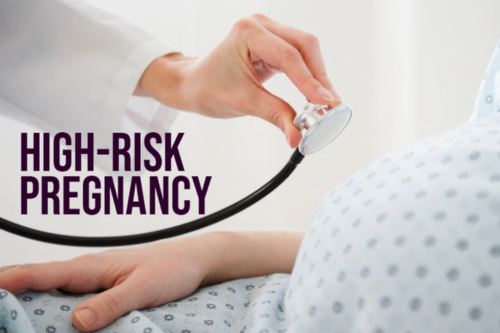
What is a High-Risk Pregnancy?
Common Causes of High-Risk Pregnancy
Several factors can increase the risk level during pregnancy. Identifying these early helps in managing complications effectively.
1. Maternal Age
Pregnancies in women below 18 years or above 35 years may carry higher risks such as preterm labor or genetic complications.
2. Pre-existing Medical Conditions
Women with existing health conditions require additional monitoring during pregnancy. These may include:
Diabetes
High blood pressure
Thyroid disorders
Heart disease
Kidney problems
Autoimmune disorders
3. Pregnancy-Related Complications
Some conditions develop during pregnancy and increase the risk level, such as:
Gestational diabetes
Preeclampsia
Placenta previa
Placental abruption
Preterm labor
4. Multiple Pregnancy
Pregnancy with twins or more babies often requires specialized monitoring because of increased risks like premature birth.
5. Previous Pregnancy Complications
Women who experienced complications in earlier pregnancies may require extra attention in future pregnancies.
6. Lifestyle Factors
Lifestyle habits such as smoking, alcohol consumption, poor nutrition, or obesity can contribute to high-risk pregnancy conditions.
Signs and Symptoms of High-Risk Pregnancy
While some high-risk conditions are identified through medical tests, certain symptoms may indicate potential complications. Pregnant women should seek immediate medical attention if they experience:
Severe abdominal pain
Heavy vaginal bleeding
Severe headaches
Blurred vision
Reduced fetal movements
Persistent vomiting
Sudden swelling of hands or face
Early medical evaluation helps prevent complications and ensures timely treatment.
Importance of High-Risk Pregnancy Management
Proper management plays a crucial role in protecting both mother and baby. High-risk pregnancy care focuses on:
Early detection of complications
Continuous monitoring of maternal and fetal health
Preventing premature delivery
Managing underlying medical conditions
Ensuring safe labor and delivery
Dr. Meenakshi Charaya Khobragade uses a comprehensive approach that combines advanced diagnostic tools, regular monitoring, and personalized medical care.
Diagnostic Tests and Monitoring
High-risk pregnancies require frequent check-ups and specialized tests to monitor the health of both mother and baby.
Ultrasound Scans
Ultrasound imaging helps monitor fetal growth, development, and amniotic fluid levels.
Blood Tests
Blood tests help detect conditions such as anemia, infections, or gestational diabetes.
Fetal Monitoring
This test checks the baby’s heart rate and movements to ensure proper development.
Doppler Studies
Doppler ultrasound evaluates blood flow between the placenta and baby.
Non-Stress Test (NST)
NST monitors the baby’s heart rate patterns to assess overall well-being.
Regular monitoring helps identify complications early and allows doctors to take timely preventive measures.
High-Risk Pregnancy Care Plan
Each high-risk pregnancy requires a personalized care plan. Dr. Meenakshi Charaya Khobragade creates customized treatment strategies based on the mother’s health condition and pregnancy stage.
Frequent Prenatal Visits
High-risk pregnancies require more frequent check-ups compared to normal pregnancies.
Nutritional Guidance
A balanced diet with proper nutrients supports fetal growth and maternal health.
Medication Management
Safe medications may be prescribed to control medical conditions such as diabetes or hypertension.
Lifestyle Modifications
Doctors often recommend:
Adequate rest
Regular prenatal exercises
Stress management techniques
Avoiding harmful substances
Monitoring Baby’s Growth
Regular ultrasounds ensure that the baby is developing normally.