
What Are Hormonal Disorders?
For instance, conditions like thyroid disorders, diabetes, polycystic ovary syndrome (PCOS), and adrenal gland disorders are common examples of hormonal imbalances. Therefore, early diagnosis and proper management are essential for maintaining long-term health.
Common Causes of Hormonal Imbalance
Several factors contribute to hormonal disorders. Understanding these causes helps in effective diagnosis and treatment.
- Stress and Lifestyle Factors
Chronic stress, poor sleep, and unhealthy eating habits directly affect hormone levels. - Genetic Factors
In some cases, hormonal disorders run in families. - Medical Conditions
Diseases such as thyroid dysfunction, diabetes, and obesity often lead to hormonal imbalance. - Medications
Certain medications may interfere with hormone production. - Aging
As the body ages, hormone production naturally declines, leading to various symptoms.
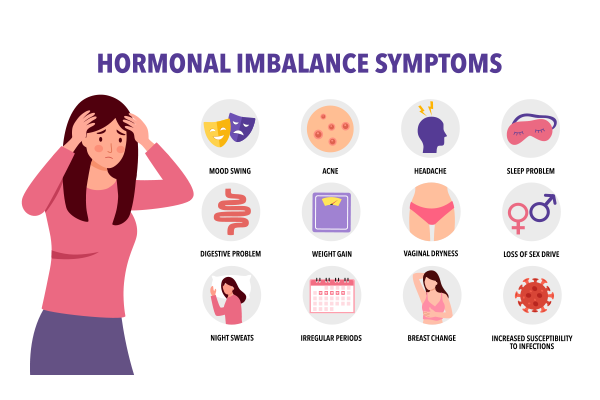
Signs and Symptoms of Hormonal Disorders
Hormonal imbalances present differently in men and women. However, recognizing early symptoms helps in timely treatment.
In Women:
Irregular menstrual cycles
Excessive hair growth (hirsutism)
Acne and oily skin
Weight gain or difficulty losing weight
Mood swings and depression
Infertility issues
In Men:
Reduced libido
Erectile dysfunction
Loss of muscle mass
Fatigue
Mood changes
General Symptoms:
Sudden weight changes
Hair thinning or hair loss
Sleep disturbances
Persistent fatigue
Digestive issues
If you notice these symptoms, you should seek professional evaluation without delay.
Importance of Early Diagnosis
Hormonal Disorder Evaluation Process
At our clinic, we follow a structured and comprehensive evaluation process to identify the underlying cause of hormonal imbalance.
1. Detailed Medical History
Initially, we conduct an in-depth consultation. We assess symptoms, lifestyle habits, menstrual history (in women), and any pre-existing conditions.
2. Physical Examination
Next, our specialists perform a thorough physical examination to detect visible signs of hormonal imbalance.
3. Diagnostic Tests
After that, we recommend specific tests, such as:
Blood tests (hormone levels)
Thyroid function tests
Blood sugar levels
Ultrasound (for PCOS or gland evaluation)
MRI or CT scan (if required)
4. Personalized Diagnosis
Based on the findings, we identify the exact hormonal disorder and its severity. Consequently, we design a customized treatment plan.
Advanced Treatment Options for Hormonal Disorders
We offer a wide range of modern and effective treatment options. Importantly, our approach focuses on long-term management and overall well-being.
1. Lifestyle Modification
Firstly, we emphasize lifestyle changes, including:
Balanced diet
Regular exercise
Stress management techniques
Proper sleep routine
These changes significantly improve hormone regulation.
2. Medication Therapy
In many cases, medications help restore hormonal balance. For example:
Thyroid medications
Insulin therapy
Hormonal supplements
Birth control pills (for PCOS)
Our doctors carefully prescribe medications based on individual requirements.
3. Hormone Replacement Therapy (HRT)
For patients with hormone deficiencies, we offer hormone replacement therapy. This treatment helps restore normal levels and reduces symptoms effectively.
4. Minimally Invasive Procedures
In certain conditions, such as tumors or gland disorders, minimally invasive procedures may be required. These treatments ensure faster recovery and minimal discomfort.
5. Fertility-Focused Treatment
For patients facing infertility due to hormonal imbalance, we provide specialized fertility treatments. We aim to improve reproductive health and increase the chances of conception.
Hormonal Disorders We Treat
Our clinic specializes in diagnosing and treating a wide range of hormonal conditions, including:
- Thyroid disorders (Hypothyroidism & Hyperthyroidism)
- Polycystic Ovary Syndrome (PCOS)
- Diabetes and insulin resistance
- Adrenal disorders
- Pituitary gland disorders
- Menopause-related hormonal imbalance
- Testosterone deficiency in men
Lifestyle Tips to Maintain Hormonal Balance
Maintaining hormonal health requires consistent effort. Therefore, adopting healthy habits is essential.
- Eat a balanced diet rich in proteins, healthy fats, and fiber
- Exercise regularly to regulate metabolism
- Manage stress through yoga and meditation
- Maintain a healthy weight
- Avoid excessive sugar and processed foods
- Get adequate sleep
By following these habits, you can naturally support hormonal balance.