
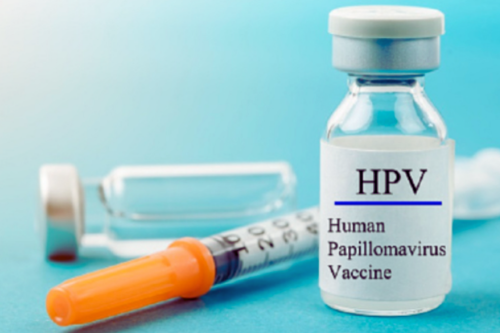
What is HPV?
Human Papillomavirus (HPV) is a group of more than 200 related viruses. Some types of HPV cause common skin warts, while others affect the genital area and may lead to serious health conditions.
HPV spreads mainly through intimate skin-to-skin contact, including sexual contact. Many people get HPV at some point in their lives, often without knowing it. In most cases, the body clears the infection naturally. However, some high-risk HPV types can persist and lead to cancer.
The most dangerous HPV types are linked with several cancers, including:
Cervical cancer
Vaginal cancer
Vulvar cancer
Anal cancer
Throat and oral cancers
Penile cancer
Cervical cancer remains one of the most common cancers affecting women worldwide. Fortunately, HPV vaccination provides a powerful preventive tool.
Why HPV Vaccination is Important
HPV vaccination protects individuals from the most dangerous types of the virus that cause cancer and genital warts. When administered before exposure to the virus, the vaccine provides strong immunity and long-term protection.
Key benefits of HPV vaccination include:
Prevents Cervical Cancer
The vaccine protects against HPV strains responsible for nearly 70–90% of cervical cancer cases.
Reduces Risk of Other Cancers
HPV vaccination also protects against cancers affecting the throat, anus, vulva, vagina, and penis.
Prevents Genital Warts
Some HPV strains cause genital warts. Vaccination significantly reduces this risk.
Safe and Effective
Extensive global research confirms that HPV vaccines are safe and highly effective.
Long-Term Protection
Studies show that HPV vaccines provide long-lasting immunity for many years.
Dr. Meenakshi Charaya Khobragade strongly recommends HPV vaccination as a key step in preventing cervical cancer and protecting long-term reproductive health.
Who Should Get the HPV Vaccine?
HPV vaccination benefits both girls and boys. Doctors recommend the vaccine before individuals become sexually active, as it works best before exposure to HPV.
Recommended Age Groups
Children (9–14 years)
The vaccine works best at this age because the immune response is stronger. Two doses are usually recommended.
Teenagers and Young Adults (15–26 years)
Individuals who did not receive the vaccine earlier can still benefit from vaccination. Three doses may be required.
Adults (Up to 45 years)
Adults who are not vaccinated may still receive the vaccine after consultation with a doctor.
Dr. Meenakshi Charaya Khobragade evaluates each patient individually and recommends the appropriate vaccination schedule based on age and medical history.
HPV Vaccination Schedule
The HPV vaccine schedule depends on the age at which vaccination begins.
Ages 9 to 14
Two doses are recommended.
First dose: Day 0
Second dose: After 6 months
Ages 15 and Above
Three doses are recommended.
First dose: Day 0
Second dose: After 2 months
Third dose: After 6 months
Completing the full vaccination schedule ensures maximum protection against HPV infections.
Types of HPV Vaccines
Different HPV vaccines protect against various HPV strains. The most commonly used vaccines include:
Bivalent Vaccine
Protects against HPV types 16 and 18, which cause most cervical cancers.
Quadrivalent Vaccine
Protects against HPV types 6, 11, 16, and 18.
9-Valent Vaccine
Provides broader protection against nine HPV types responsible for most HPV-related cancers and genital warts.
Dr. Meenakshi Charaya Khobragade recommends the most suitable vaccine based on availability, age, and individual health factors.
How the HPV Vaccine Works
The HPV vaccine stimulates the immune system to produce antibodies that protect against HPV infection. The vaccine contains virus-like particles that mimic the HPV virus but do not cause infection.
Once vaccinated, the body develops immunity. If the individual later encounters the real virus, the immune system quickly destroys it before it can cause infection.
This preventive approach significantly reduces the chances of developing HPV-related diseases.