
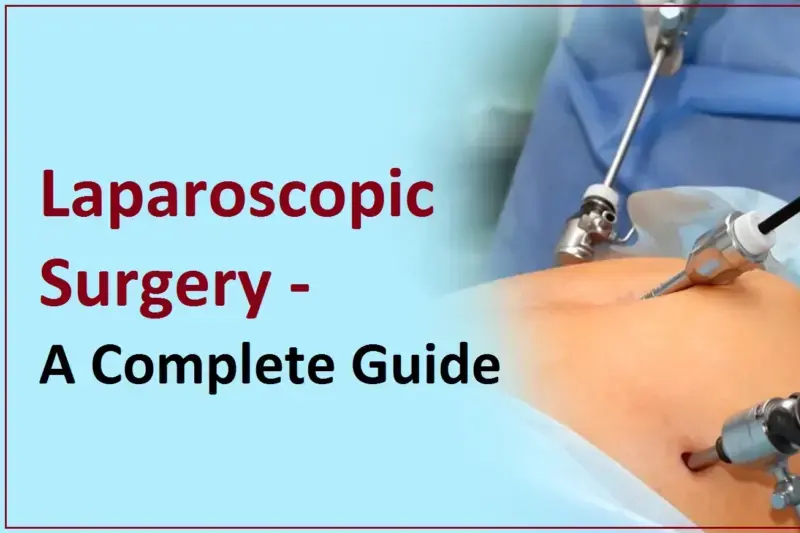
Laparoscopic gynecology surgery, also known as minimally invasive surgery, has revolutionized the way doctors treat various gynecological conditions. Unlike traditional open surgery, this advanced technique uses small incisions, specialized instruments, and a camera to perform precise procedures. As a result, patients experience less pain, faster recovery, and minimal scarring.
What is Laparoscopic Gynecology Surgery?
Common Conditions Treated with Laparoscopic Surgery
Doctors recommend laparoscopic gynecology surgery for several conditions. Some of the most common include:
1. Uterine Fibroids
Fibroids are non-cancerous growths in the uterus. Although they are common, they can cause heavy bleeding and pain. However, laparoscopic surgery removes them effectively.
2. Ovarian Cysts
Ovarian cysts often develop during reproductive years. While many cysts disappear naturally, some require surgical removal. In such cases, laparoscopy offers a safe solution.
3. Endometriosis
Endometriosis occurs when tissue grows outside the uterus. As a result, women experience severe pain and infertility issues. Therefore, laparoscopic surgery helps remove abnormal tissue.
4. Ectopic Pregnancy
An ectopic pregnancy occurs outside the uterus. Since it is life-threatening, doctors must act quickly. Thus, laparoscopy ensures safe removal.
5. Pelvic Adhesions
Adhesions form due to previous infections or surgeries. Consequently, they cause pain and fertility issues. However, laparoscopic surgery removes these adhesions effectively.
6. Hysterectomy
Doctors perform laparoscopic hysterectomy to remove the uterus. Compared to traditional methods, this approach ensures faster healing.
Benefits of Laparoscopic Gynecology Surgery
Laparoscopic surgery offers numerous advantages. Therefore, many patients prefer this method over traditional surgery.
1. Minimal Pain
Since surgeons make small incisions, patients experience less pain. As a result, they require fewer pain medications.
2. Faster Recovery
Patients recover quickly and return to daily activities sooner. In fact, most patients resume normal life within a few days.
3. Smaller Scars
Unlike open surgery, laparoscopy leaves tiny scars. Consequently, it improves cosmetic outcomes.
4. Reduced Risk of Infection
Because the incisions are small, the risk of infection decreases significantly.
5. Short Hospital Stay
Patients usually go home within 24 hours. Therefore, hospitalization costs reduce.
6. Less Blood Loss
Laparoscopic surgery minimizes bleeding. As a result, patients rarely need blood transfusions.
Who is a Suitable Candidate?
Not every patient qualifies for laparoscopic surgery. However, most women can benefit from it.
Doctors usually recommend this procedure if:
- The patient has mild to moderate gynecological conditions
- The patient is medically stable
- The condition does not require emergency open surgery
On the other hand, doctors may avoid laparoscopy in complex cases. Therefore, proper evaluation is essential.
Pre-Surgery Preparation
Proper preparation plays a crucial role in successful surgery. Therefore, patients must follow medical advice carefully.
1. Medical Evaluation
Doctors perform blood tests, imaging scans, and physical examinations. Consequently, they assess overall health.
2. Medication Guidelines
Patients must inform doctors about current medications. In some cases, doctors may stop certain drugs.
3. Fasting
Patients usually avoid food and water for 6–8 hours before surgery. This step ensures safety during anesthesia.
4. Lifestyle Adjustments
Doctors often advise patients to quit smoking and alcohol consumption. As a result, healing improves.
5. Mental Preparation
Patients should stay calm and informed. Therefore, discussing concerns with doctors helps reduce anxiety.
Step-by-Step Procedure
Understanding the procedure helps patients feel more confident. Therefore, here is a step-by-step explanation:
- First, doctors administer general anesthesia.
- Then, the surgeon makes small incisions in the abdomen.
- Next, they insert the laparoscope to view internal organs.
- After that, they use specialized instruments to perform the surgery.
- Finally, they close the incisions with stitches.
The entire procedure usually takes 30 minutes to 2 hours. However, the duration depends on the complexit
Recovery After Laparoscopic Surgery
Recovery is usually smooth and quick. However, patients must follow proper care instructions.
1. Immediate Recovery
Patients may feel mild discomfort after surgery. However, doctors provide medications to manage pain.
2. Activity Level
Patients should start walking within 24 hours. This step improves blood circulation and prevents complications.
3. Diet
Initially, patients should consume light food. Gradually, they can return to a normal diet.
4. Wound Care
Patients must keep the incision area clean and dry. Therefore, proper hygiene is essential.
5. Follow-Up Visits
Doctors schedule follow-up appointments. As a result, they monitor healing progress.