
What is Laparoscopic Surgery?
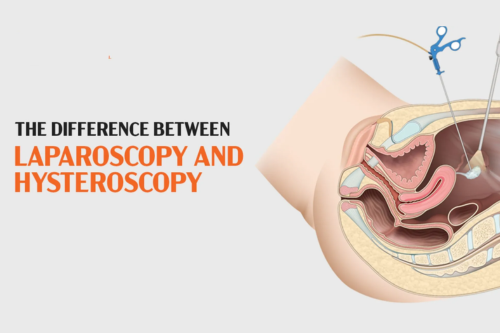
Laparoscopic surgery, also known as minimally invasive surgery, allows doctors to treat gynecological conditions using very small incisions instead of large surgical cuts. During this procedure, the surgeon inserts a thin instrument called a laparoscope, which contains a high-resolution camera and light source.
The camera sends clear images to a monitor, enabling the surgeon to see the internal organs and perform the surgery with precision. Specialized surgical instruments are inserted through small incisions in the abdomen to complete the procedure.
This advanced method significantly reduces surgical trauma and improves patient recovery.
Benefits of Laparoscopic Surgery
Laparoscopic procedures offer several advantages compared to traditional open surgery.
Smaller incisions and minimal scarring
Reduced pain after surgery
Lower risk of infection
Faster healing and recovery
Shorter hospital stay
Quick return to daily activities
Improved surgical accuracy
Because of these benefits, laparoscopic surgery has become one of the most preferred methods for treating gynecological disorders.
Conditions Treated with Laparoscopic Surgery
Dr. Meenakshi Charaya Khobragade performs laparoscopic procedures to diagnose and treat several women’s health conditions.
Ovarian Cysts
Ovarian cysts are fluid-filled sacs that develop on the ovaries. While many cysts disappear on their own, some cause pain, hormonal problems, or fertility issues. Laparoscopic surgery allows the doctor to remove cysts safely while preserving healthy ovarian tissue.
Endometriosis
Endometriosis occurs when tissue similar to the uterine lining grows outside the uterus. This condition often causes severe pelvic pain, irregular bleeding, and infertility. Laparoscopic surgery helps remove abnormal tissue and relieve symptoms effectively.
Fibroids
Uterine fibroids are non-cancerous growths in the uterus that may cause heavy periods, pelvic pressure, or fertility problems. Laparoscopic procedures allow surgeons to remove fibroids while protecting the uterus.
Ectopic Pregnancy
An ectopic pregnancy occurs when a fertilized egg implants outside the uterus, usually in the fallopian tube. This condition requires immediate medical attention. Laparoscopic surgery helps remove the pregnancy safely and protect the patient’s health.
Tubal Blockage
Blocked fallopian tubes can prevent pregnancy. Laparoscopic surgery can help diagnose and sometimes correct these blockages, improving fertility chances.
Hysterectomy
In certain cases, doctors recommend removing the uterus due to severe fibroids, chronic pain, or other conditions. Laparoscopic hysterectomy provides a safer and less invasive option for women who require this procedure.
What is Hysteroscopic Surgery?
Hysteroscopy is another advanced minimally invasive procedure used to examine and treat conditions inside the uterus. During this procedure, the doctor inserts a thin instrument called a hysteroscope through the vagina and cervix into the uterus.
Unlike many surgical procedures, hysteroscopy does not require any abdominal incisions. The hysteroscope contains a camera that provides a clear view of the uterine cavity, allowing the doctor to diagnose and treat abnormalities directly.
This technique helps gynecologists manage several uterine conditions with precision and minimal discomfort.
Conditions Treated with Hysteroscopic Surgery
Dr. Meenakshi Charaya Khobragade performs hysteroscopic procedures to diagnose and treat a variety of uterine conditions.
Uterine Polyps
Uterine polyps are small growths in the lining of the uterus. They may cause irregular bleeding or fertility problems. Hysteroscopy allows doctors to remove these growths quickly and safely.
Submucosal Fibroids
Some fibroids grow inside the uterine cavity. These fibroids may cause heavy bleeding or difficulty conceiving. Hysteroscopic surgery allows doctors to remove them without making external incisions.
Abnormal Uterine Bleeding
Women who experience unexplained heavy or irregular periods may require a hysteroscopic examination. The procedure helps identify the underlying cause and provides immediate treatment when necessary.
Uterine Adhesions
Scar tissue inside the uterus can develop after infections or surgeries. This condition, known as Asherman’s syndrome, may lead to infertility or menstrual irregularities. Hysteroscopic surgery helps remove these adhesions and restore normal uterine function.
Septate Uterus
A uterine septum is a congenital condition where a tissue wall divides the uterus. This condition may increase the risk of miscarriage. Hysteroscopic surgery can remove the septum and improve reproductive outcomes.
Advantages of Hysteroscopic Surgery
Hysteroscopic procedures offer several benefits for women seeking safe and efficient treatment.
No external incisions
Minimal pain and discomfort
Short procedure time
Faster recovery
Accurate diagnosis of uterine conditions
Lower risk of complications
Because of these advantages, hysteroscopy has become a highly effective diagnostic and treatment tool in modern gynecology.