
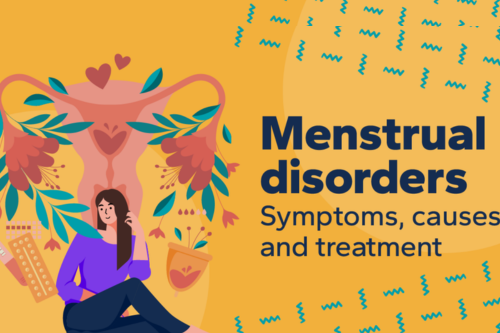
Understanding Menstrual Disorders
A normal menstrual cycle usually occurs every 21 to 35 days and lasts between 3 to 7 days. When the cycle becomes irregular, excessively painful, unusually heavy, or absent, it may indicate a menstrual disorder.
Many women ignore these symptoms due to lack of awareness or social stigma. However, timely medical consultation helps prevent complications and ensures proper reproductive health.
Menstrual disorders can disrupt daily activities, cause emotional stress, and sometimes indicate underlying medical conditions. Early diagnosis and treatment play an essential role in maintaining long-term health.
Common Types of Menstrual Disorders
Several types of menstrual disorders affect women. Each condition has its own symptoms and causes.
1. Irregular Periods
Irregular periods occur when the menstrual cycle length changes frequently or periods become unpredictable. Some women may experience cycles that are shorter than 21 days or longer than 35 days.
Common causes include:
Hormonal imbalance
Polycystic Ovary Syndrome (PCOS)
Thyroid disorders
Stress and lifestyle changes
Excessive exercise
2. Amenorrhea (Absence of Periods)
Amenorrhea refers to the absence of menstruation. It is classified into two types:
Primary Amenorrhea – When a girl does not start menstruating by age 15.
Secondary Amenorrhea – When periods stop for three months or longer in women who previously had regular cycles.
Possible causes include hormonal disorders, excessive weight loss, pregnancy, thyroid problems, and certain medications.
3. Dysmenorrhea (Painful Periods)
Dysmenorrhea refers to severe menstrual cramps that interfere with daily activities. The pain usually occurs in the lower abdomen and may radiate to the back or thighs.
There are two types:
Primary Dysmenorrhea – Pain without underlying disease, commonly seen in younger women.
Secondary Dysmenorrhea – Pain caused by medical conditions such as endometriosis or uterine fibroids.
4. Menorrhagia (Heavy Menstrual Bleeding)
Menorrhagia involves unusually heavy or prolonged menstrual bleeding. Women may need to change sanitary products frequently or experience bleeding lasting longer than seven days.
Possible causes include:
Hormonal imbalance
Uterine fibroids
Endometrial polyps
Thyroid disorders
Blood clotting problems
Heavy bleeding may lead to anemia, fatigue, and weakness if left untreated.
5. Premenstrual Syndrome (PMS)
PMS refers to physical and emotional symptoms that occur before menstruation. Symptoms may include mood swings, irritability, bloating, headaches, fatigue, and breast tenderness.
These symptoms usually appear a few days before the menstrual cycle and improve once menstruation begins.
Causes of Menstrual Disorders
Several factors can influence menstrual health. Understanding the underlying cause helps in providing effective treatment.
Common causes include:
Hormonal Imbalance
Hormones such as estrogen and progesterone regulate the menstrual cycle. Any imbalance may disrupt normal cycles.
Polycystic Ovary Syndrome (PCOS)
PCOS is a common endocrine disorder that causes irregular periods, weight gain, acne, and excessive hair growth.
Thyroid Disorders
Both hypothyroidism and hyperthyroidism can affect menstrual cycles.
Uterine Conditions
Fibroids, polyps, or endometriosis may cause pain and abnormal bleeding.
Lifestyle Factors
Stress, poor diet, lack of sleep, and excessive exercise may disrupt hormone balance.
Certain Medications
Birth control pills or hormonal therapies may alter menstrual patterns.
Symptoms That Require Medical Attention
Women should consult a gynecologist if they experience the following symptoms:
Irregular menstrual cycles
Severe abdominal pain during periods
Excessive bleeding or clotting
Periods lasting more than 7 days
Absence of periods for several months
Spotting between periods
Extreme fatigue or weakness during menstruation
Early evaluation helps identify the cause and prevents complications.
Diagnosis of Menstrual Disorders
Accurate diagnosis is essential for effective treatment. Dr. Meenakshi Charaya Khobragade performs a thorough evaluation to determine the underlying cause.
Diagnostic methods may include:
Medical History Review
Understanding menstrual patterns, lifestyle habits, and medical history.
Physical and Gynecological Examination
Assessing reproductive health and identifying abnormalities.
Ultrasound Scan
Used to evaluate the uterus and ovaries.
Hormonal Blood Tests
Checking hormone levels such as estrogen, progesterone, thyroid hormones, and prolactin.
Pap Smear
Screening for cervical abnormalities if necessary.
Advanced Imaging or Tests
In certain cases, additional investigations may be recommended.
Menstrual Disorders Treatment Options
Treatment depends on the type and cause of the menstrual disorder. Dr. Meenakshi Charaya Khobragade offers personalized treatment plans for each patient.
Lifestyle Modifications
Many menstrual issues improve with simple lifestyle changes such as:
Maintaining a healthy weight
Regular physical activity
Balanced diet rich in iron and vitamins
Stress management techniques
Proper sleep schedule
Medication Therapy
Medications may be prescribed to regulate menstrual cycles and reduce symptoms.
Common medications include:
Hormonal contraceptives
Pain relievers for cramps
Hormone therapy
Thyroid medications
Iron supplements for anemia
Hormonal Treatment
Hormonal therapy helps restore hormonal balance and regulate menstrual cycles. Birth control pills, progesterone therapy, or hormonal devices may be recommended depending on the condition.
Treatment for Underlying Conditions
If menstrual disorders occur due to PCOS, fibroids, or thyroid disease, specific treatment plans target those conditions.
Minimally Invasive Procedures
In certain cases, procedures may be recommended to remove fibroids, polyps, or abnormal tissue causing heavy bleeding.