
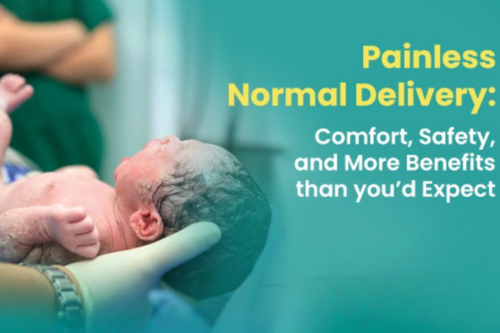
What is Painless Normal Delivery?
Benefits of Painless Normal Delivery
Painless normal delivery offers several advantages for both the mother and the baby.
1. Reduced Labor Pain
One of the biggest benefits is significant pain relief during labor. Epidural anesthesia helps mothers remain comfortable even during strong contractions.
2. Natural Birth Experience
The mother can still experience natural childbirth while avoiding extreme discomfort.
3. Less Physical Stress
Reduced pain helps mothers conserve energy, making it easier to push effectively during the delivery stage.
4. Better Emotional Experience
When pain is controlled, mothers feel more relaxed, confident, and emotionally positive about childbirth.
5. Faster Recovery
Normal delivery generally allows quicker recovery compared to cesarean section, enabling mothers to return to daily activities sooner.
6. Safe for Mother and Baby
When performed under proper medical supervision, painless normal delivery is considered safe and effective for both mother and baby.
Who Can Choose Painless Normal Delivery?
Most healthy pregnant women can consider painless normal delivery. However, eligibility depends on several factors including:
Overall maternal health
Baby’s position and growth
Pregnancy complications
Previous medical history
Stage of labor
During prenatal consultations, Dr. Meenakshi Charaya Khobragade carefully evaluates each pregnancy to determine whether painless delivery is suitable.
Women with the following conditions may particularly benefit from painless delivery:
First-time mothers
Women who fear labor pain
Mothers experiencing prolonged labor
Women who want a calm childbirth experience
Preparation for Painless Normal Delivery
Preparing the body and mind plays an important role in achieving a successful painless delivery. Proper prenatal care significantly increases the chances of natural childbirth.
Regular Antenatal Checkups
Routine pregnancy checkups help monitor the health of both mother and baby. These visits allow early detection of complications and proper pregnancy guidance.
Balanced Nutrition
A healthy diet supports both fetal development and maternal strength. Pregnant women should include:
Fresh fruits and vegetables
Whole grains
Protein-rich foods
Iron and calcium sources
Adequate hydration
Proper nutrition helps build stamina required during labor.
Prenatal Exercises
Light physical activities help prepare the body for childbirth. Some helpful exercises include:
Walking
Prenatal yoga
Pelvic floor exercises
Breathing techniques
These exercises improve flexibility, strengthen pelvic muscles, and support smoother labor.
Mental Preparation
Mental strength is equally important. Education about labor and pain management helps mothers feel confident and relaxed during delivery.
The Procedure of Painless Normal Delivery
Understanding the childbirth process helps reduce anxiety. The procedure usually includes the following stages.
Stage 1 – Early Labor
During this phase, contractions begin and the cervix gradually dilates. Once labor progresses and the mother experiences discomfort, the doctor may recommend epidural pain relief.
The anesthesiologist administers medication through a small catheter in the lower back. The procedure takes only a few minutes and is performed under sterile conditions.
Stage 2 – Active Labor
After the epidural takes effect, contractions continue while pain significantly decreases. The mother remains conscious and can communicate with the medical team.
As the cervix fully dilates, the mother begins pushing with the guidance of the doctor and nurses.
Stage 3 – Delivery of Baby and Placenta
Once the baby is delivered, the placenta follows shortly afterward. The medical team ensures that both mother and baby remain stable and healthy.
Safety of Painless Delivery
Many mothers worry about the safety of epidural anesthesia. When administered by trained professionals, painless delivery is considered safe and widely practiced worldwide.
Key safety measures include:
Continuous monitoring of maternal vital signs
Fetal heart rate monitoring
Proper dosage of anesthesia
Presence of skilled obstetric and anesthesia teams
These precautions ensure a safe delivery environment.