
What Are Irregular Periods?
A menstrual cycle typically lasts between 21 to 35 days. However, when periods occur too frequently, too rarely, or unpredictably, they are considered irregular.
For example, you may experience:
- Missed periods
- Cycles shorter than 21 days or longer than 35 days
- Heavy or very light bleeding
- Spotting between periods
Although occasional variation is normal, persistent irregularity requires medical attention.
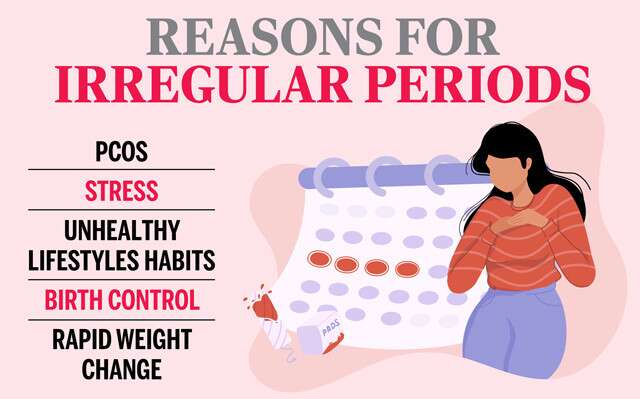
Common Causes of Irregular Periods
Understanding the root cause is the first step toward effective treatment. Several factors can disrupt the menstrual cycle.
1. Hormonal Imbalance
Hormones regulate your menstrual cycle. When estrogen and progesterone levels fluctuate, periods become irregular. This condition is especially common during puberty and perimenopause.
2. Polycystic Ovary Syndrome (PCOS)
PCOS is one of the leading causes of irregular periods. It results in hormonal imbalance, ovarian cysts, and irregular ovulation.
3. Thyroid Disorders
Both hypothyroidism and hyperthyroidism can disrupt menstrual cycles. Therefore, thyroid function tests are often recommended.
4. Stress and Lifestyle Factors
Chronic stress directly affects hormone production. Additionally, poor diet, lack of sleep, and excessive exercise can lead to irregular cycles.
5. Weight Changes
Sudden weight gain or loss affects hormonal balance. Consequently, this may delay or stop ovulation.
6. Birth Control Methods
Certain contraceptives, especially hormonal ones, can alter menstrual patterns.
7. Uterine Conditions
Fibroids, polyps, or infections can also cause irregular bleeding.
Symptoms That Need Attention
While mild irregularity may not be serious, certain symptoms require immediate medical consultation:
- Periods absent for more than 3 months
- Extremely heavy bleeding
- Severe abdominal pain
- Bleeding between cycles
- Difficulty conceiving
If you notice any of these signs, you should consult a healthcare professional without delay.
Diagnosis of Irregular Periods
Before starting treatment, doctors perform a detailed evaluation. This process helps identify the exact cause.
1. Medical History & Physical Examination
Initially, your doctor will ask about your menstrual history, lifestyle, and medical conditions.
2. Blood Tests
Hormone levels, thyroid function, and blood count are assessed.
3. Ultrasound Scan
This imaging test helps detect ovarian cysts, fibroids, or structural abnormalities.
4. Additional Tests
In some cases, doctors may recommend advanced diagnostic procedures for accurate results.
Effective Treatments for Irregular Periods
Once the cause is identified, treatment becomes more targeted and effective. Fortunately, multiple treatment options are available.
1. Lifestyle Modifications
First and foremost, improving your lifestyle can significantly regulate your cycle.
Maintain a healthy weight
Follow a balanced diet rich in nutrients
Exercise regularly but avoid overtraining
Manage stress through yoga and meditation
As a result, many women experience improved menstrual regularity without medication.
2. Hormonal Therapy
Doctors often prescribe hormonal medications to regulate cycles.
Birth control pills
Progesterone therapy
Hormone replacement therapy (if needed)
These treatments help balance hormone levels and restore regular menstruation.
3. Treatment for PCOS
If PCOS is the cause, a combination of treatments is required.
Lifestyle changes
Insulin-sensitizing medications
Ovulation-inducing drugs (for fertility)
Therefore, early diagnosis and proper management are crucial.
4. Thyroid Treatment
If thyroid dysfunction is responsible, doctors prescribe medications to normalize hormone levels. Consequently, menstrual cycles become regular over time.
5. Surgical Treatment
In certain cases, minor surgical procedures may be necessary.
Removal of fibroids or polyps
Treatment of endometrial abnormalities
However, surgery is usually considered only when other treatments fail.
6. Fertility Treatment
Irregular periods can affect ovulation and fertility. Therefore, women trying to conceive may need specialized care.
Ovulation induction
Hormonal therapy
Advanced fertility treatments
With proper medical guidance, many women successfully achieve pregnancy.
Natural Remedies to Support Treatment
Along with medical treatment, natural methods can enhance results.
1. Healthy Diet
Include iron-rich foods, fruits, vegetables, and whole grains. Avoid processed foods and excess sugar.
2. Herbal Support
Certain herbs may support hormonal balance. However, always consult a doctor before use.
3. Yoga and Exercise
Regular yoga improves blood circulation and reduces stress, which helps regulate periods.
4. Adequate Sleep
Proper sleep restores hormonal balance and improves overall health.
Prevention Tips for Regular Periods
Although not all causes are preventable, you can maintain menstrual health by following these tips:
- Maintain a healthy lifestyle
- Track your menstrual cycle
- Avoid extreme dieting
- Manage stress effectively
- Schedule regular health checkups
By following these habits, you can significantly reduce the risk of irregular periods.
Importance of Early Treatment
Ignoring irregular periods can lead to serious health issues such as:
- Infertility
- Anemia
- Hormonal disorders
- Endometrial complications
Therefore, timely diagnosis and treatment are essential.