
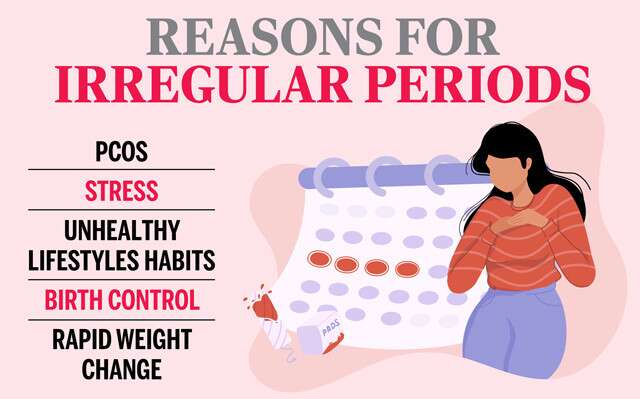
Treatment for irregular periods is essential because irregular menstrual cycles are a common health concern that can affect women at different stages of life. Although occasional variations in periods may occur due to lifestyle changes or temporary hormonal fluctuations, persistent irregularities often indicate an underlying medical condition that requires professional attention. Therefore, timely evaluation and appropriate medical care play a crucial role in maintaining reproductive health and overall well-being.
Furthermore, understanding the root cause of menstrual irregularities helps doctors provide more accurate and effective treatment. In addition, early diagnosis can prevent complications related to hormonal imbalance, fertility problems, and other gynecological conditions. For this reason, women should never ignore frequent changes in their menstrual cycle.
In this detailed guide, we will discuss the major causes, common warning signs, diagnostic procedures, and the most effective treatment options available for managing irregular menstrual cycles and improving hormonal balance naturally and medically.
What Is Irregular Periods?
For instance, women with irregular menstrual cycles may experience:
- Missed periods
- Cycles shorter than 21 days or longer than 35 days
- Excessively heavy or unusually light bleeding
- Spotting or bleeding between periods
While occasional changes in the menstrual cycle may not always be a serious concern, persistent irregularities should not be ignored. Therefore, timely medical evaluation and proper treatment become important for maintaining reproductive and hormonal health.
Common Causes of Irregular Periods
1. Hormonal Imbalance
Fluctuations in estrogen and progesterone can disrupt periods, especially during puberty and perimenopause.
2. PCOS
Polycystic Ovary Syndrome causes hormonal imbalance and irregular ovulation, leading to missed or delayed periods.
3. Thyroid Disorders
Both underactive and overactive thyroid conditions can disturb menstrual regularity, so thyroid testing is often required.
4. Stress and Lifestyle
High stress, poor diet, lack of sleep, and excessive exercise can negatively impact hormonal balance.
5. Weight Changes
Sudden weight gain or loss can interfere with ovulation and lead to irregular cycles.
6. Birth Control
Hormonal contraceptives may temporarily change bleeding patterns and cycle timing.
7. Uterine Conditions
Fibroids, polyps, or infections can cause abnormal or irregular menstrual bleeding.
Symptoms That Need Attention For Irregular Periods
- Absence of periods for more than 3 months
- Very heavy or prolonged menstrual bleeding
- Severe abdominal or pelvic pain
- Bleeding between menstrual cycles
- Difficulty in conceiving
If any of these symptoms are experienced, it is important to consult a healthcare professional without delay for proper evaluation and timely treatment.
Diagnosis of Irregular Periods
1. Medical History & Physical Examination
First, the doctor reviews your menstrual history, lifestyle habits, and any existing medical conditions. A physical examination may also be done for initial assessment.
2. Blood Tests
Next, blood tests are performed to check hormone levels, thyroid function, and overall blood health, helping to detect underlying hormonal imbalances.
3. Ultrasound Scan
An ultrasound scan is used to examine the uterus and ovaries. It helps identify conditions such as ovarian cysts, fibroids, or other structural abnormalities.
4. Additional Tests
In some cases, further diagnostic tests may be recommended to confirm the diagnosis and ensure accurate treatment planning.
Hormonal Causes of Irregular Periods
Treatment for irregular periods –
1. Hormonal Imbalance
Changes in estrogen and progesterone levels can directly affect menstrual regularity. Hormonal imbalance may lead to delayed periods, heavy bleeding, missed cycles, or irregular menstrual flow.
2. Polycystic Ovary Syndrome (PCOS)
PCOS affects ovulation and is one of the most common causes of irregular periods. Women with PCOS may also experience acne, weight gain, excessive hair growth, and fertility issues.
3. Thyroid Disorders
Thyroid hormone imbalance can interfere with ovulation and menstrual cycles. Both hypothyroidism and hyperthyroidism may cause irregular bleeding or skipped periods.
4. Menopause and Perimenopause
Women approaching menopause often experience hormonal fluctuations that make periods irregular before menstruation eventually stops completely.
Lifestyle and Emotional Factors For Irregular Periods
Treatment for irregular periods –
1.Stress and Emotional Health
Stress, anxiety, and emotional exhaustion can affect reproductive hormones and disturb the menstrual cycle. Long-term stress may result in irregular or missed periods.
2. Sudden Weight Changes
Rapid weight gain or weight loss can disrupt hormone production and ovulation, leading to irregular menstruation.
3. Excessive Exercise
Intense physical activity and overtraining may suppress reproductive hormones and cause lighter or absent periods.
4. Poor Lifestyle Habits
Lack of sleep, unhealthy diet, smoking, excessive caffeine, and alcohol consumption may negatively affect hormonal balance and menstrual health.
Reproductive Health Conditions
Treatment for irregular periods –
1. Uterine Fibroids and Polyps
Fibroids and polyps can cause heavy bleeding, prolonged periods, and abnormal menstrual patterns.
2. Endometriosis
Endometriosis often leads to painful periods, pelvic pain, irregular bleeding, and fertility-related complications.
3. Pelvic Inflammatory Disease (PID)
PID is a reproductive organ infection that may cause abnormal bleeding, pelvic discomfort, and irregular cycles.
4. Pregnancy
Missed periods are commonly associated with pregnancy and should be medically evaluated when menstruation suddenly stops.
Medical and Treatment-Related Causes
1. Birth Control Methods
Hormonal contraceptives may temporarily change menstrual patterns, causing spotting, missed periods, or irregular bleeding.
2. Chronic Medical Conditions
Conditions such as diabetes, obesity, and hormonal disorders may interfere with normal menstrual function.
3. Medications and Medical Treatments
Certain medicines, including steroids, antidepressants, and chemotherapy drugs, can affect hormone levels and menstrual regularity.
Natural Remedies to Support Treatment
Along with medical treatment, natural methods can enhance results.
1. Healthy Diet
Include iron-rich foods, fruits, vegetables, and whole grains. Avoid processed foods and excess sugar.
2. Herbal Support
Certain herbs may support hormonal balance. However, always consult a doctor before use.
3. Yoga and Exercise
Regular yoga improves blood circulation and reduces stress, which helps regulate periods.
4. Adequate Sleep
Proper sleep restores hormonal balance and improves overall health.
Prevention Tips for Regular Periods
Although not all causes are preventable, you can maintain menstrual health by following these tips:
- Maintain a healthy lifestyle
- Track your menstrual cycle
- Avoid extreme dieting
- Manage stress effectively
- Schedule regular health checkups
By following these habits, you can significantly reduce the risk of irregular periods.
Importance of Early Treatment
Ignoring irregular periods can lead to serious health issues such as:
- Infertility
- Anemia
- Hormonal disorders
- Endometrial complications
Therefore, timely diagnosis and treatment are essential.