
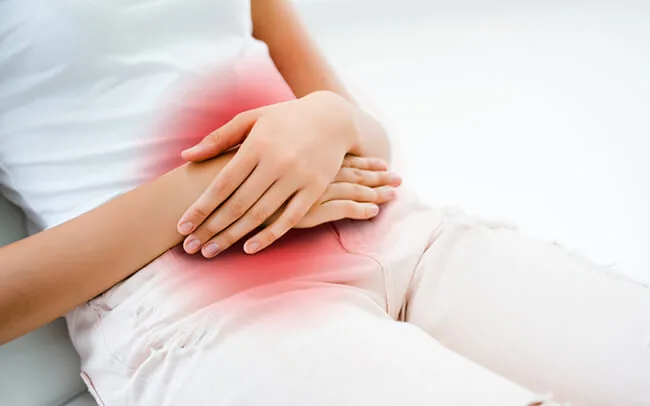
Treatment for painful periods – Painful periods, medically known as dysmenorrhea, affect a large number of women during their reproductive years. While mild discomfort is common, severe menstrual pain can interfere with daily activities, work, and overall quality of life. Fortunately, with proper diagnosis and the right treatment plan, painful periods can be effectively managed.
painful periods treatment, dysmenorrhea treatment, menstrual pain relief, severe period cramps treatment, causes of painful periods, how to reduce period pain, home remedies for period cramps, best treatment for dysmenorrhea, menstrual cramps relief tips, period pain solutions
Painful periods can significantly impact your daily life, but effective treatments are available. From medications and lifestyle changes to advanced medical procedures, the right approach depends on the cause and severity of the condition.
What Causes Of Painful Periods?
Treatment for painful periods refers to managing throbbing or cramping pain in the lower abdomen that occurs before or during menstruation. In many cases, some women experience only mild discomfort, whereas others may suffer from intense pain that disrupts daily activities and routine life.
Therefore, understanding the type and cause of menstrual pain is essential for proper treatment. Generally, there are two main types of dysmenorrhea:
1. Primary Dysmenorrhea
Primary dysmenorrhea occurs without any underlying medical condition. Usually, it begins within a few years after the first menstrual cycle. In most cases, this type of pain is linked to natural hormonal changes and uterine contractions during menstruation.
2. Secondary Dysmenorrhea
Secondary dysmenorrhea develops due to underlying reproductive health conditions. For instance, it may be associated with conditions such as:
Endometriosis
Uterine fibroids
Pelvic inflammatory disease (PID)
Adenomyosis
Moreover, this type of menstrual pain often becomes more severe over time. As a result, it may significantly affect quality of life and, therefore, usually requires timely medical evaluation and appropriate treatment. If you experience severe or persistent pain, consult a qualified gynecologist for proper diagnosis and treatment. With the right care, you can manage menstrual pain effectively and improve your quality of life.
Common Symptoms of Painful Periods
Treatment for painful periods involves understanding and managing the symptoms that many women commonly experience during menstruation. Often, these symptoms can vary in intensity and may affect daily activities and overall well-being.
Women with painful periods may experience:
- Lower abdominal cramps
- Pain radiating to the lower back or thighs
- Nausea or vomiting
- Diarrhea or loose motions
- Headaches
- Fatigue and weakness
In some cases, these symptoms may be mild and manageable. However, when they become severe, frequent, or persistent, it is important not to ignore them. Therefore, consulting a gynecologist is essential for proper evaluation, accurate diagnosis, and timely treatment.
Causes of Painful Periods
Understanding the underlying cause is essential for selecting the most effective treatment for painful periods. In many cases, menstrual pain may be linked to hormonal, structural, or infectious factors that affect the reproductive system.
1. Prostaglandins
The uterus produces hormone-like substances called prostaglandins that help trigger uterine contractions. However, when levels are high, they can cause stronger contractions, leading to increased pain and discomfort during menstruation.
2. Endometriosis
Endometriosis is a condition in which tissue similar to the uterine lining grows outside the uterus. As a result, it often leads to severe menstrual pain, inflammation, and long-term discomfort.
3. Fibroids
Fibroids are non-cancerous growths in the uterus that may cause heavy bleeding and painful periods. In some cases, they can also contribute to pressure and pelvic discomfort.
4. Pelvic Infections
Infections affecting the reproductive organs can cause inflammation, which may result in pelvic pain and irregular or painful menstrual cycles.
5. Hormonal Imbalance
Fluctuations in hormone levels can disrupt normal menstrual function. Consequently, this may lead to irregular flow, increased cramping, and heightened menstrual discomfort.
Effective Treatments for Painful Periods
Treatment for painful periods depends on the severity of symptoms as well as the underlying cause. Therefore, a combination of medical care and supportive approaches is often recommended to effectively reduce menstrual pain and improve daily comfort.
1. Medications for Pain Relief
Doctors commonly prescribe pain-relieving medicines such as ibuprofen and naproxen. These medications work by lowering prostaglandin levels, which are responsible for uterine cramps. In some cases, hormonal contraceptives like pills, patches, or IUDs may also be suggested to regulate the menstrual cycle and reduce pain intensity.
2. Home Remedies
In addition to medical treatment, simple home care methods can provide significant relief. Applying a heating pad to the lower abdomen helps relax uterine muscles and reduce cramps. Furthermore, herbal teas such as chamomile, ginger, and peppermint may help ease inflammation. Staying properly hydrated also reduces bloating and discomfort during periods.
3. Lifestyle Modifications
Healthy lifestyle changes play a key role in long-term management. Regular physical activity improves blood circulation and stimulates the release of natural pain-relieving endorphins. Moreover, a balanced diet rich in omega-3 fatty acids, magnesium, and vitamins B and E supports hormonal balance. In addition, stress management practices such as yoga, meditation, and deep breathing exercises are highly effective in reducing menstrual discomfort.
Specialized Treatments and Supportive Therapies for Menstrual Pain Relief
Treatment for painful periods includes both medical and supportive approaches, depending on the severity of symptoms and the underlying cause. Therefore, a personalized treatment plan is often recommended to ensure effective relief and long-term improvement.
1. Medical Treatment for Severe Cases
In cases where menstrual pain is severe or linked to underlying conditions, doctors may suggest specialized medical treatments. For example, endometriosis may require hormonal therapy or laparoscopic surgery to manage symptoms effectively. Similarly, fibroids can be treated with medications or minimally invasive procedures depending on their size and severity. In addition, if pelvic inflammatory disease (PID) is present, antibiotics are prescribed to treat the infection and reduce pain.
2. Alternative and Complementary Therapies
Along with medical care, some women may benefit from supportive and alternative therapies. For instance, acupuncture may help reduce pain by stimulating specific pressure points in the body. Likewise, Ayurvedic treatments using natural herbal remedies can support hormonal balance and menstrual health. Furthermore, physiotherapy, especially pelvic floor therapy, may help manage chronic pelvic pain and improve overall comfort during menstruation.
When to Seek Medical Advice for Painful Periods ?
It is important to consult a healthcare professional if certain warning signs are present, as they may indicate an underlying condition requiring treatment.
- Severe pain that disrupts daily activities
- Menstrual pain that becomes progressively worse over time
- Heavy or irregular menstrual bleeding
- Persistent pelvic pain even outside menstruation
Early medical evaluation and diagnosis are essential, as they help identify the exact cause of symptoms, ensure timely treatment, and prevent potential complications.
Prevention Tips for Painful Periods
Treatment for painful periods can often be supported and improved through healthy lifestyle habits, even though not all cases can be completely prevented. Therefore, adopting simple daily practices may help reduce the severity of symptoms and improve overall menstrual health.
- Maintain a healthy body weight
- Exercise regularly to improve blood circulation
- Eat a balanced and nutritious diet
- Avoid smoking and limit alcohol intake
- Ensure adequate sleep and rest
In addition, following these habits consistently may help regulate hormones, reduce cramps, and support better overall well-being during menstrual cycles.
Best Diet for Managing Menstrual Pain
Treatment for painful periods can be effectively supported through proper dietary choices, as nutrition plays a key role in reducing inflammation and easing menstrual cramps.
Foods to Include
Including the right foods in your diet may help reduce pain and support hormonal balance:
Leafy green vegetables
Nuts and seeds
Whole grains
Fruits rich in antioxidants
Foods to Avoid
Certain foods may increase inflammation and worsen cramps, so it is better to limit or avoid them:
Sugary foods
Fried and processed items
Excess caffeine
Carbonated drinks
In addition, maintaining a balanced and healthy diet consistently can help improve overall menstrual health and reduce the severity of painful periods over time.